
Introduction
The Linux operating system in recent years it has become the technological heart not only of servers and workstations, but above all gods embedded devices which populate sectors such as industry, automotive, medical and IoT. Its diffusion is due to its flexibility, robustness and the possibility of being customized down to the smallest detail.
This strength brings with it an equally great challenge: the safety. With the arrival of increasingly stringent regulations, like the Cyber Resilience Act, companies are called to review their approach to connected devices. It is no longer enough to develop a working product, it is necessary to demonstrate that you have designed it with criteria security by design and ensure constant updates.
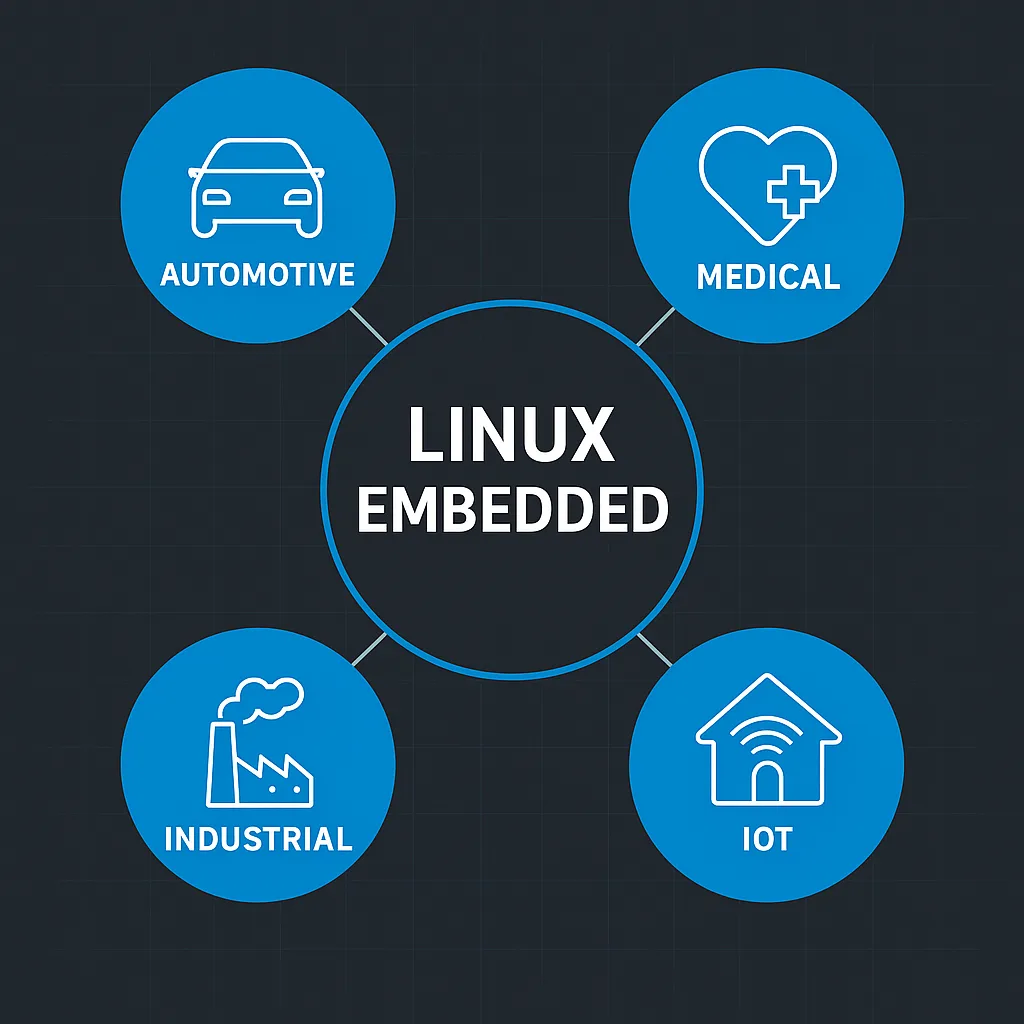
Why Linux is the Choice for Embedded
Linux dominates the embedded industry for many reasons. His reliability, matured in over thirty years of evolution, makes it a solid foundation. The ability to customize the system through tools such as Yocto Project o Buildroot allows you to adapt the OS to any hardware or requirement.
The strength of open source community helps keep kernels and packages up-to-date and secure. Furthermore, costs are reduced compared to proprietary solutions, since there are no expensive licenses, only investments in development and maintenance.
Security: from Optional to Fundamental Requirement
Every connected device represents a potential target of cyber attacks. In embedded systems that control industrial processes, medical devices or vehicles, the attack surface is large: Outdated firmware, vulnerable kernels, services left open or protocols implemented without encryption can compromise the entire system.
In addition to economic and reputational damage, companies now also risk legal consequences. With the introduction of the Cyber Resilience Act and with regulations such as the GDPR, embedded security has become a legal requirement.
The Impact of Regulations on Companies
The European regulatory framework is evolving rapidly. The Cyber Resilience Act requires device manufacturers to guarantee regular security updates, document the software life cycle e demonstrate the adoption of safety criteria right from the design stage.
Added to this are standards such as ISO/IEC 27001, which establishes requirements for information security management. The combination of these regulations pushes companies to plan one long-term security strategy.
How to Secure a Linux Embedded System
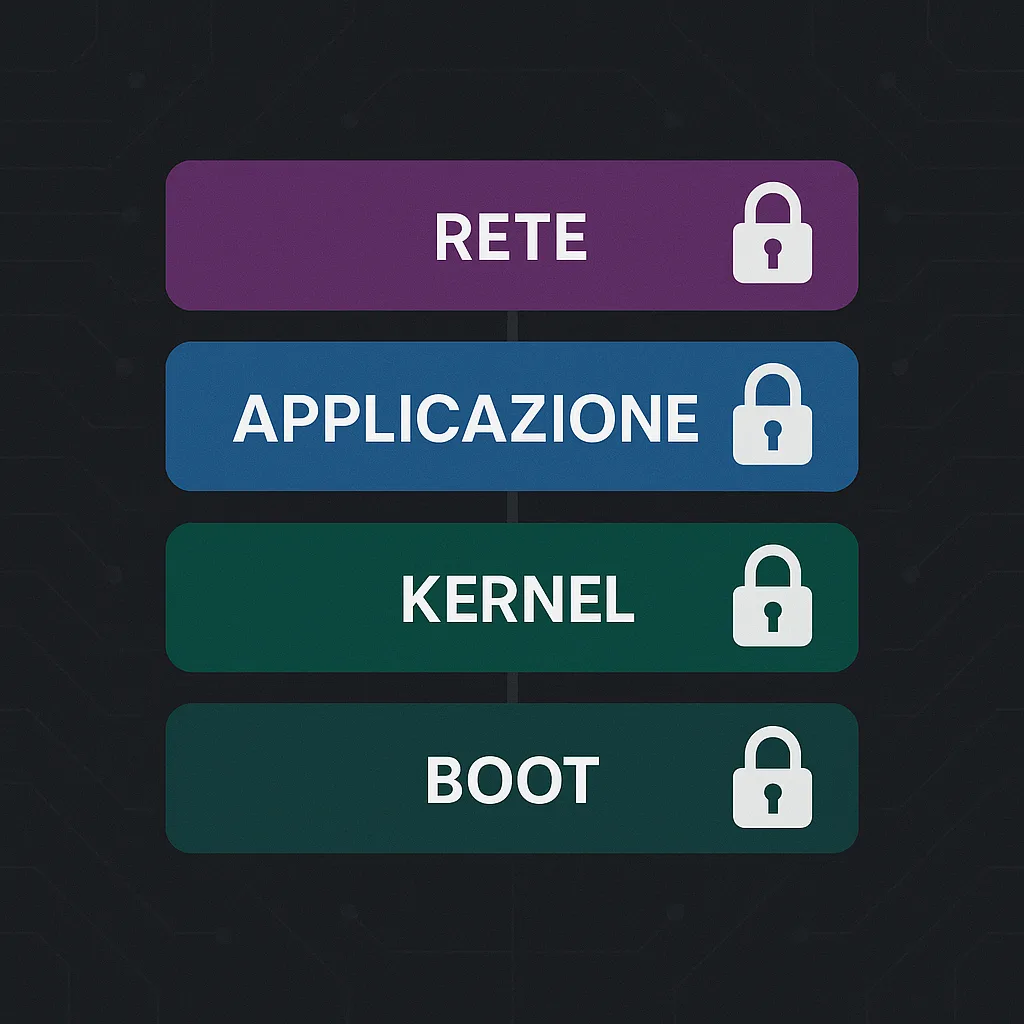
The security of an embedded Linux system must be guaranteed on multiple levels. The Secure Boot prevents booting unauthorized firmware, while a lightened and hardened kernel reduces the attack surface. Linux services must be configured with hardening policies and OTA update systems allow you to deploy patches without manual intervention.
It is also essential to use static and dynamic code analysis tools and constantly monitor vulnerabilities via databases such as CVE Details.
The Figure of the Linux Embedded Developer
In this scenario the role of Linux Embedded Developer becomes crucial. This is not just a firmware developer, but a capable professional customize the operating system, integrate secure protocols, set up automatic updates and support the company in compliance documentation.
This figure therefore becomes a bridge between the technical and managerial departments, guaranteeing safe products and comply with regulations.
Why Companies Must Rely on an Expert
Small and medium-sized businesses often lack the expertise internally to deal with complexity embedded security and compliance. Rely on a Linux Embedded consultant means reduce the risks of non-compliance, accelerate development thanks to already tested solutions and have a technical interlocutor capable of also following the regulatory part.
Conclusion
The world ofembedded Linux it grows every day, but together with the diffusion it also grows the responsibility of companies. Security and compliance are no longer optional, but necessary conditions to guarantee reliability and competitiveness on the market.
Investing safely and relying on an expert consultant means not only complying with regulations, but also strengthen its reputation and gain a competitive advantage.
Do you want to secure your embedded project?
Silicon LogiX offers specialized expertise in solution development Linux Embedded with a focus on safety and on regulatory compliance. From customizing the operating system to the implementation of Secure Boot and OTA updates, right down to documentation for the Cyber Resilience Act and the GDPR, your project can be followed at every stage with professionalism and reliability.
Contact me

