Internal project
SLX Office
A self-hosted business application developed for Silicon LogiX. The project page shows its interface and modular architecture.
Explore SLX Office and its screenshotsSilicon LogiX · Firmware & custom software
Firmware, web applications, business tools and integrations for companies and technical teams. Standalone software or devices, data and applications working together.
Two areas of expertise
Develop a product, improve a process or connect the two. Start with the service closest to your needs.
Applications & processes
Standalone software projects or applications connected to your existing systems. New hardware is optional.
Explore custom softwareAn internal application and a customer portal illustrate different uses of custom software.
Internal project
A self-hosted business application developed for Silicon LogiX. The project page shows its interface and modular architecture.
Explore SLX Office and its screenshotsClient project
A web portal with event registration, user access, roles and notifications. The project combines public information with application workflows.
Explore the portal projectCRA Technical Evidence Pack
Follow the IG-200 case from its hardware and firmware baseline to the SBOM, exposed surface, findings and remediation plan for the Cyber Resilience Act journey.
Concrete solutions
Three examples: field data, customer support and business workflows.
A web view for machine status, telemetry, alarms, event history and indicators useful to maintenance and support teams.
A reserved area for tickets, documents, requests, updates and structured communication between company and customer.
Explore customer portalsA custom tool for activities, deadlines, customers, interventions, documents and data currently spread across files.
Discover platformsMethod, technical risk, outcome
One technical contact, clear priorities and checks at every stage.
We can review requirements, constraints, architecture and operational priorities to define a concrete path.
Discuss your projectTechnical stack
The choice follows your constraints, existing systems and maintenance needs.
Notes, guides and updates for teams working on firmware, embedded systems, IoT, technical web platforms and on-device AI.
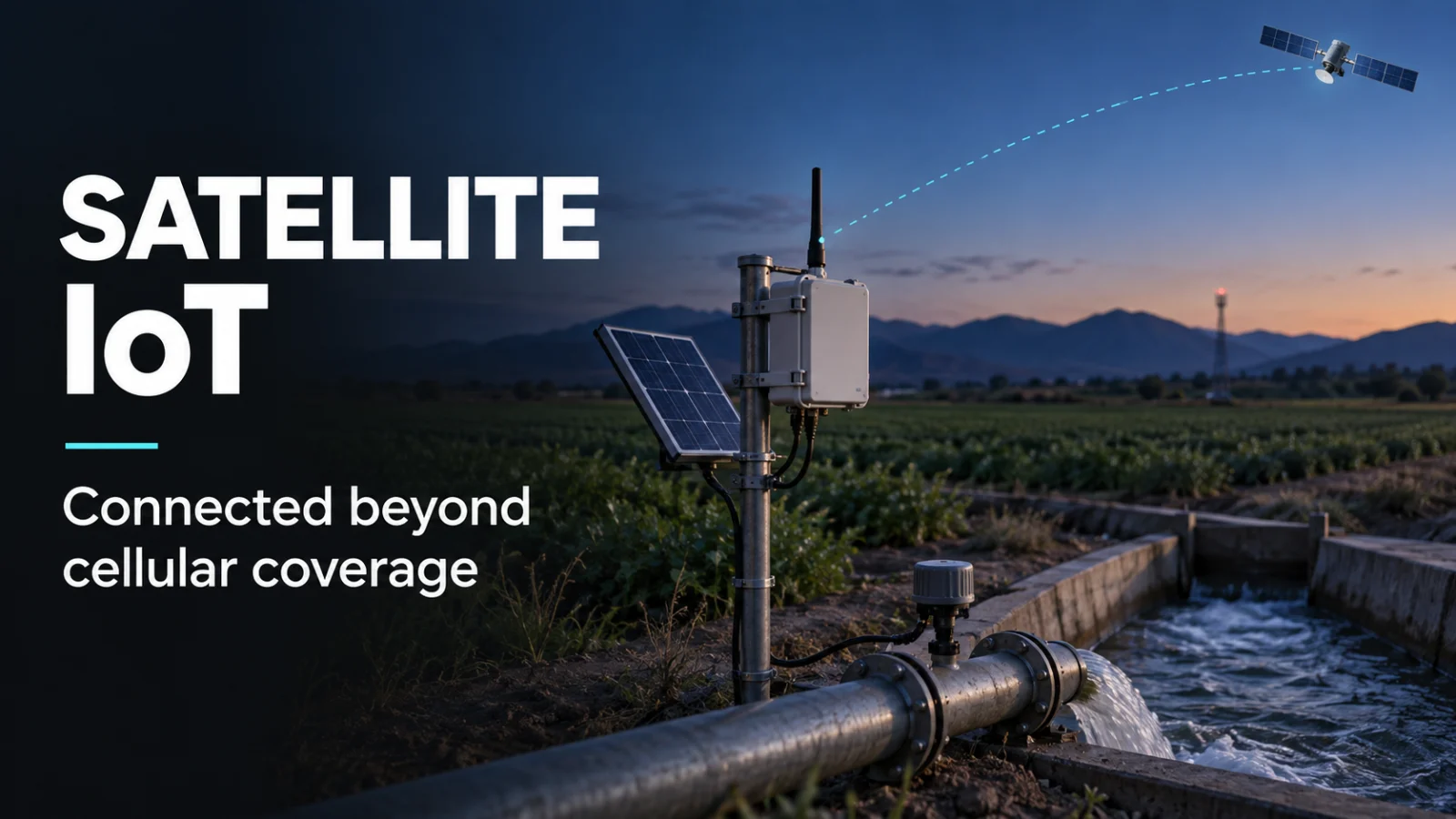
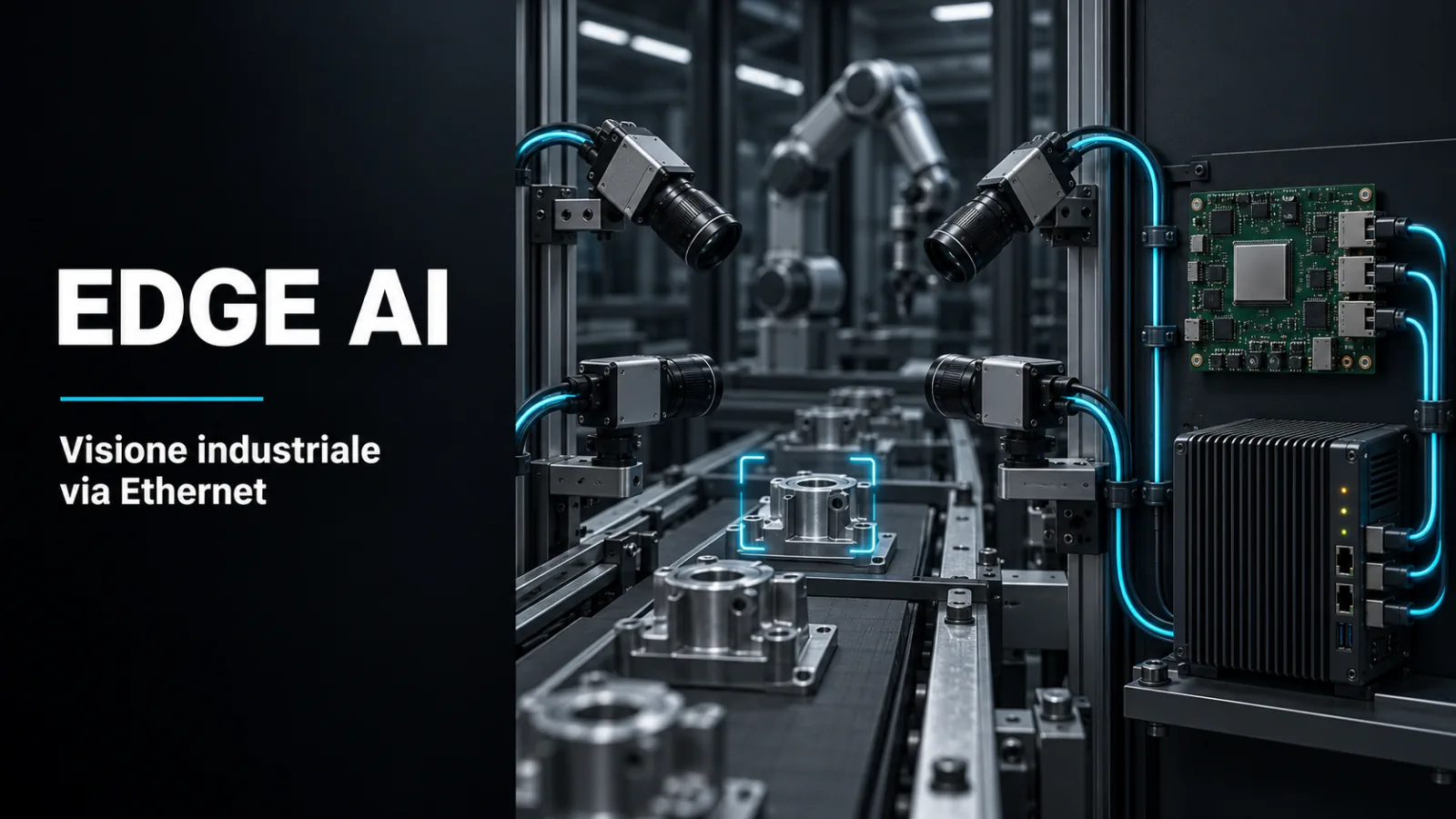
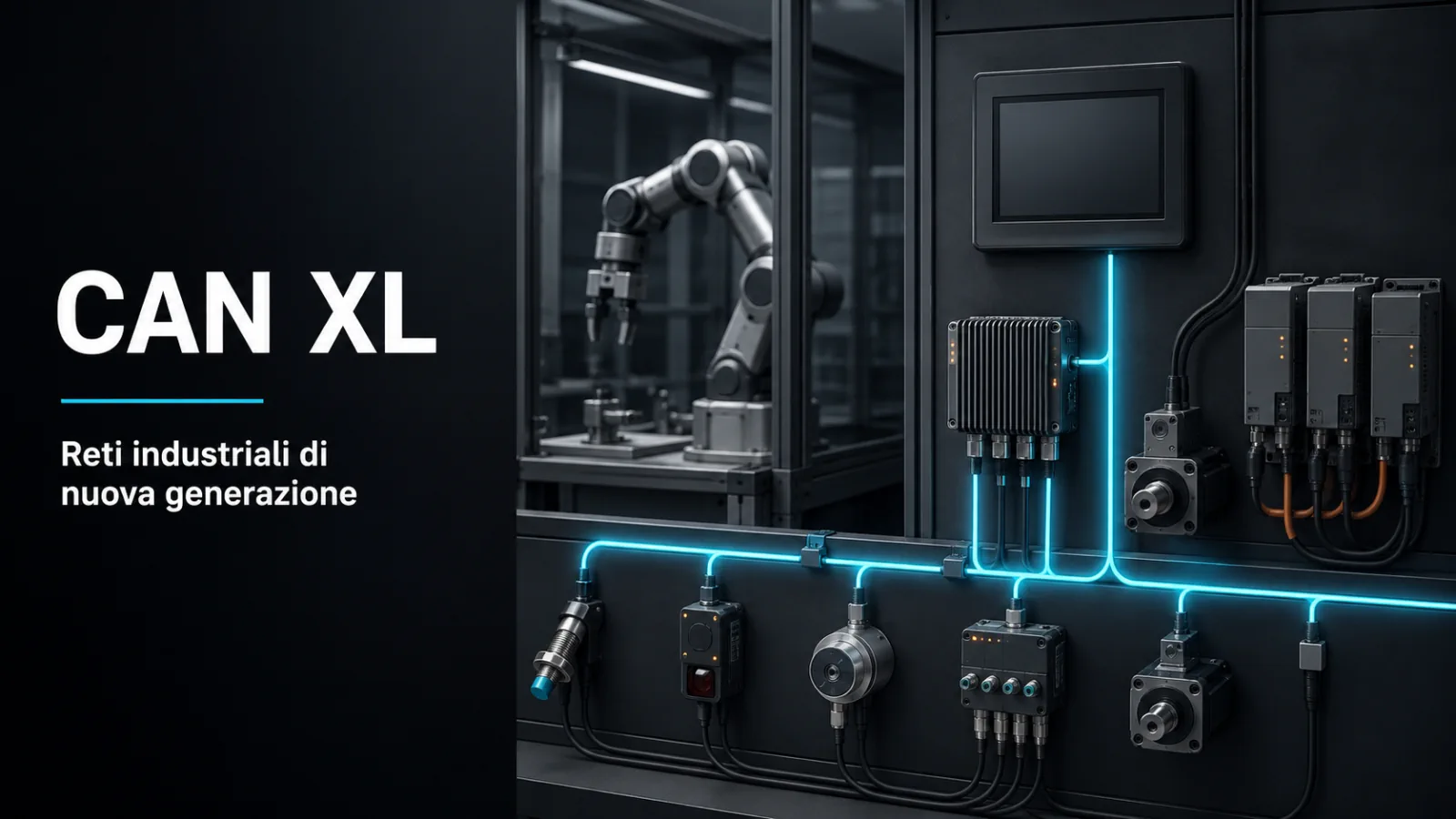

Short notes on firmware, embedded Linux, IoT, cybersecurity and on-device technologies.

Yes. Web applications, business tools, portals, backends and integrations can be standalone software projects.
Firmware development and stabilization, MCUs, RTOS, embedded Linux, HMI, connectivity and IoT within an agreed scope.
We assess available APIs, databases, exports and protocols. A custom module can work alongside existing business software, websites or devices.
You work directly with the professional responsible for the project, based in Poggio Renatico, Italy, with remote collaboration. The initial discussion defines goals, constraints and a possible analysis or development engagement.
Updates, fixes, infrastructure responsibilities and ongoing support are agreed for the project and available capacity.