Embedded Technical Resources
English technical hub with practical articles and case studies organized around firmware, IoT, embedded Linux, edge AI and embedded interfaces. Built to support architecture choices and reduce product risk during development and industrialization.
Priority guides and case studies
Start here when evaluating embedded architectures, product risks and practical technology choices.
Benefits, limits and trade-offs for graphical interfaces on embedded Linux and technical products.
When OpenWrt is a good base for gateways, routers and connected IoT products.
Modules, NMEA, antennas and practical criteria for adding positioning to devices.
TPM, TrustZone, secure enclaves and secure boot for protecting firmware, keys and data.
Signing, verification, dual-bank layouts and rollback for safer field updates.
A practical comparison for choosing an RTOS based on real-time constraints and maintenance.
A comparison of ecosystems, maturity, costs and adoption scenarios.
On-chip AI accelerators, edge computing and real constraints for local inference.
Technical case study for custom IoT devices based on ESP32.
A self-hosted operational platform for internal processes, data and automation.
Resource areas
Guides on firmware architecture, bootloaders, real-time systems and hardware/firmware integration.
Firmware and FPGA development →
Resources on connectivity, gateways, secure OTA updates, cloud integration and field reliability.
IoT and embedded Linux services →
Content on on-device inference, model optimization, edge SoCs and deployment constraints.
Embedded AI services →
Technical material on embedded UX, UI performance, display stacks and firmware integration.
Embedded HMI services →
Latest English articles

Out of coverage, still connected: satellite connectivity comes to IoT devices
When cellular coverage disappears, readings and alerts can remain on the device. Satellite IoT opens up remote monitoring for agriculture, infrastructure and logistics, with firmware, power consumption and service coverage as key design decisions.
Read more →
Industrial machine vision: four Ethernet cameras with Microchip and NVIDIA
Microchip’s PolarFire Ethernet Sensor Bridge Rev 2.0 supports up to four MIPI CSI-2 cameras over dual 10GbE. Learn how to assess bandwidth, latency, synchronisation and NVIDIA integration for industrial inspection.
Read more →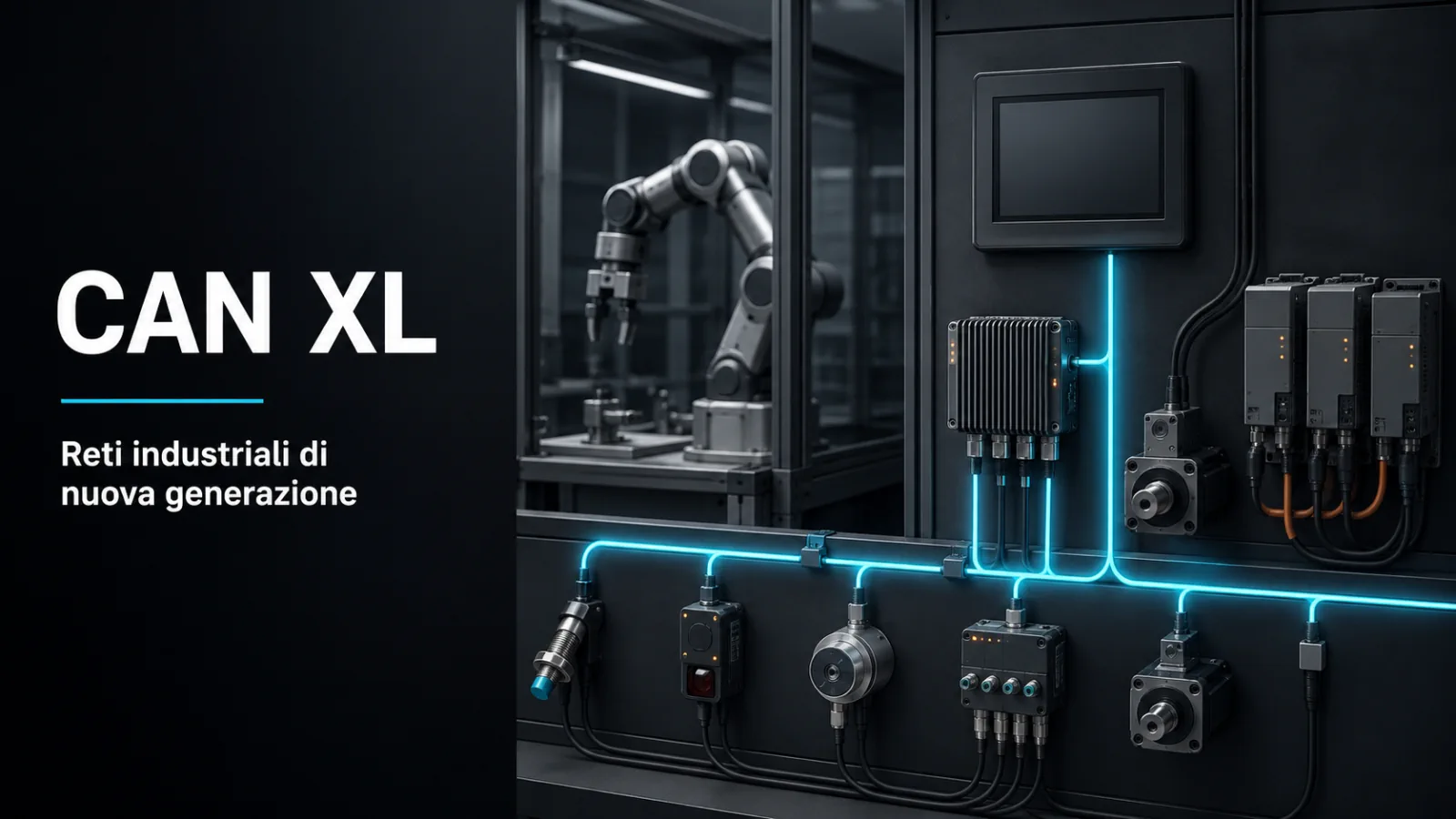
CAN XL: what changes for robots, HMIs and industrial machines
TI has introduced the first commercially available CAN XL transceiver. With frames up to 2,048 bytes and data rates up to 20 Mbit/s, CAN XL opens new options for robots, HMIs and industrial machines. Here is when to assess it against CAN FD and Ethernet.
Read more →
Cyber Resilience Act: What Changes for Firmware and IoT
From 11 September 2026, Cyber Resilience Act reporting duties begin. Learn what changes for embedded and IoT device manufacturers and how to prepare firmware, SBOMs, secure updates and vulnerability-management processes for 2027.
Read more →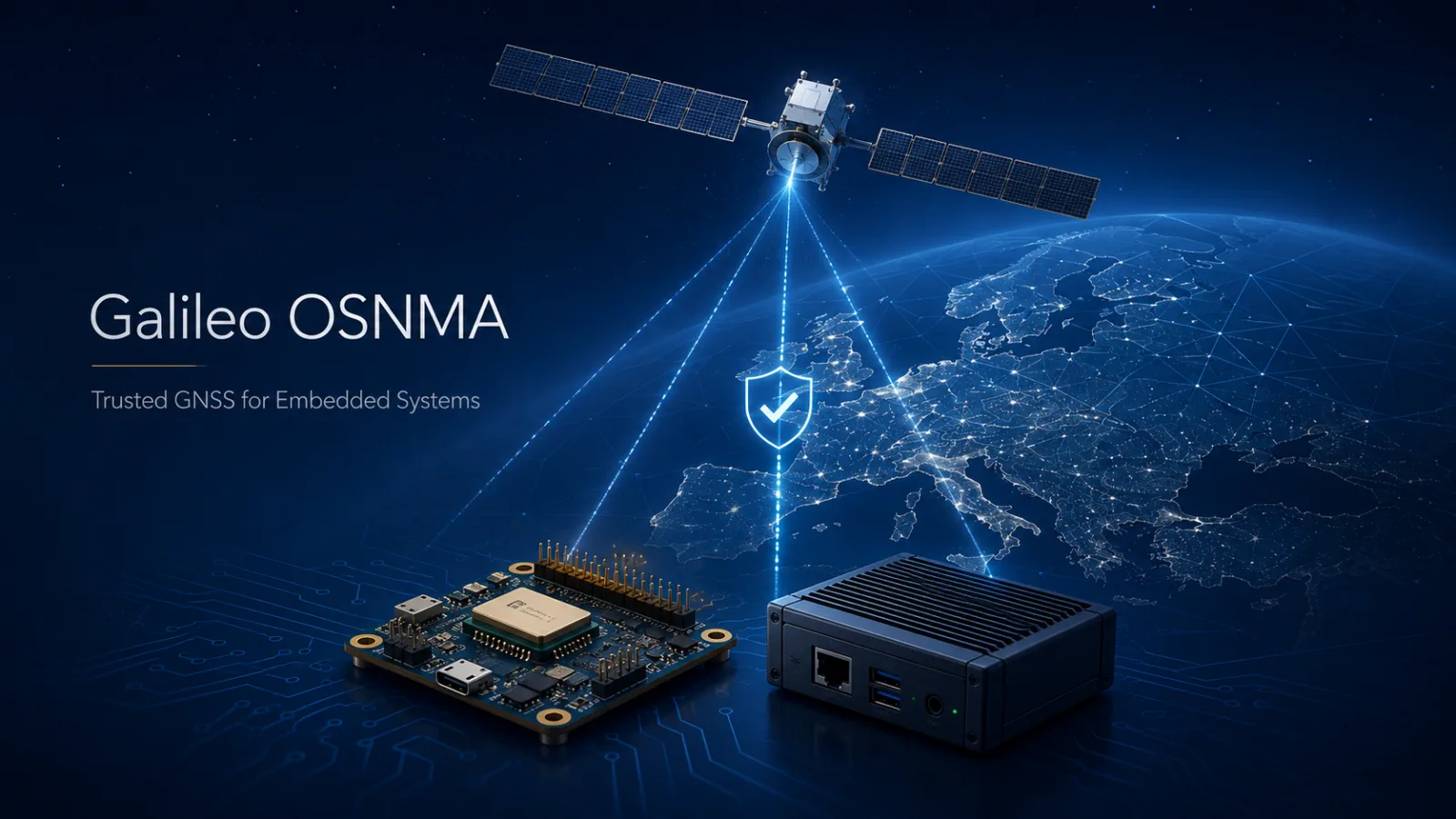
Galileo OSNMA and HAS: Europe's GNSS for embedded systems
Galileo is more than Europe's alternative to GPS. OSNMA authenticates navigation data, HAS brings decimetre-level positioning, and dev boards, Linux and SDR help validate resilient embedded PNT systems.
Read more →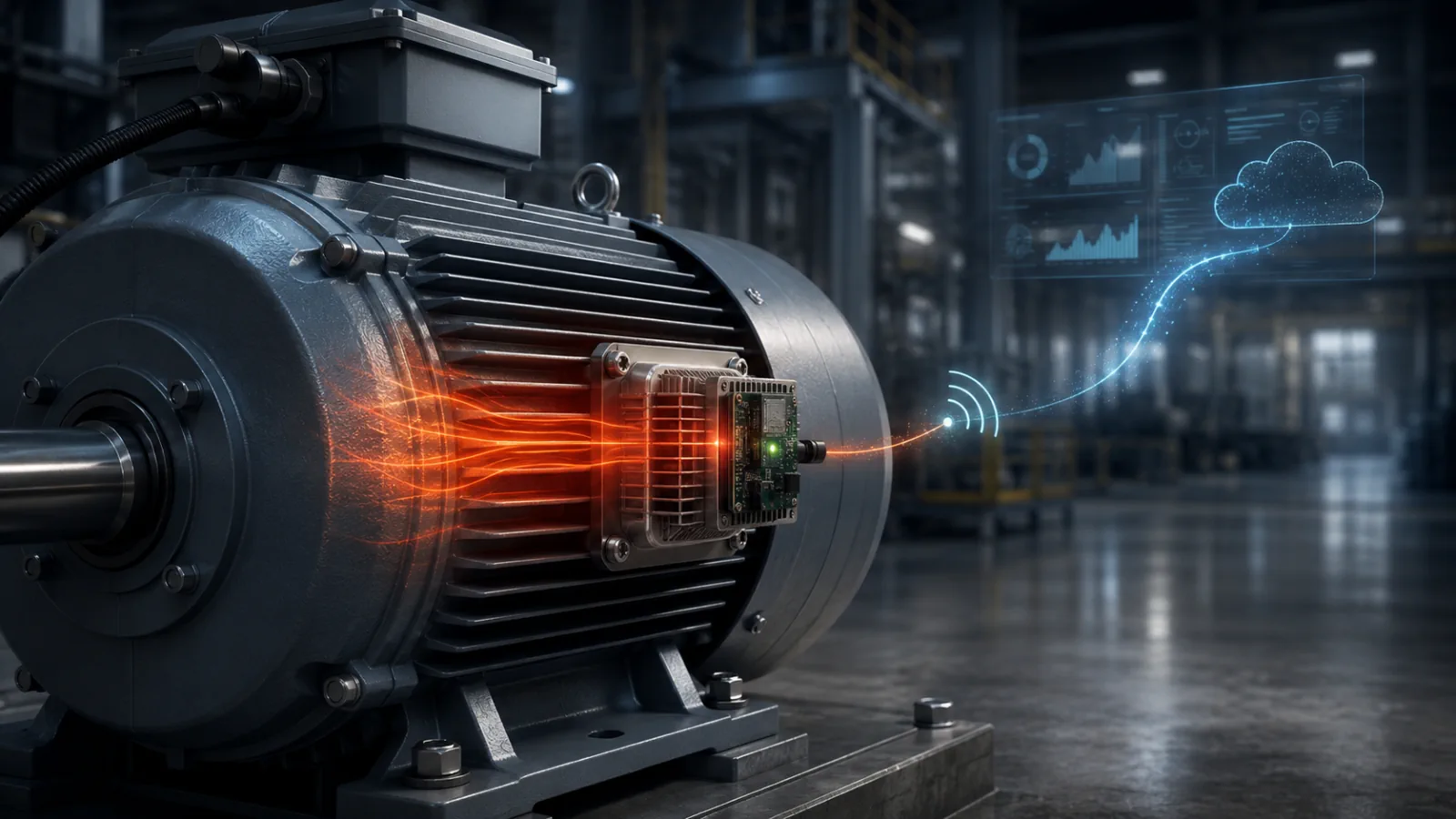
Thermoelectric Energy Harvesting for Batteryless IoT Sensors
A 0.25 kW gearmotor, about 5 °C across a TEG and one thermoelectric generator powered a LoRa node without an electrochemical battery. Measured results, sizing equations, limits and a practical proof-of-concept method.
Read more →