Connect sensors, devices and business systems: data acquisition, protocol conversion and telemetry with defined behaviour when the network is unavailable.
Platforms and tools follow your context. Some examples:
C / C++ / STM32 / ESP32 / FreeRTOS / Zephyr / Yocto / FPGA
Embedded
IoT & connectivity
Devices, gateways and data exchange
Connectivity
Ethernet · Wi-Fi · BLELinks selected for the system
Protocols
MQTT · Modbus · CANDefined data exchange
Gateways & devices
Acquisition · translation · routingConnections between systems
Telemetry
Measurements · events · buffersData and flow continuity
Identity & access
Authentication · keys · TLSBoundaries and permissions
Network diagnostics
Logs · disconnections · recoveryTesting under real conditions
The technologies shown are examples.
Engineering support within your team, with shared tools and working methods.
IoT gateways, MQTT, Modbus and industrial connectivity
Connectivity is designed around data quality, acquisition frequency and network availability. A gateway must handle duplicate messages, buffers, reconnections and configuration without losing measurement meaning. Firmware, backend and dashboards agree formats, units, timestamps and device identification.
Activities and verification
Integrate MQTT, Modbus RTU/TCP, serial interfaces and APIs for the device estate.
Manage identity, credentials, local buffering and data synchronisation.
Test intermittent networks, timeouts, restarts and communication recovery.
Initial decisions and integration
I clarify who produces and consumes data, which devices must communicate and what should happen during disconnection. I can work on the gateway, protocol or connection to client services, coordinating with the owners of other components.
A verification example
A repeatable test can interrupt the network, accumulate measurements and restore the connection. Ordering, duplicates, timestamps, buffer saturation and synchronisation results are checked. Local retention and recovery are sized for the actual resources and needs.
Deliverables and acceptance criteria
Protocol mapping, message schemas, configuration and end-to-end tests. Acceptance checks data arrival together with delays, connection state and error handling.
Where to start
Provide device examples, registers or messages, expected volumes, network availability and the destination system.
Is a cloud service required?
The architecture can use local services, business infrastructure, cloud or a combination, according to access, operational continuity and agreed data handling.
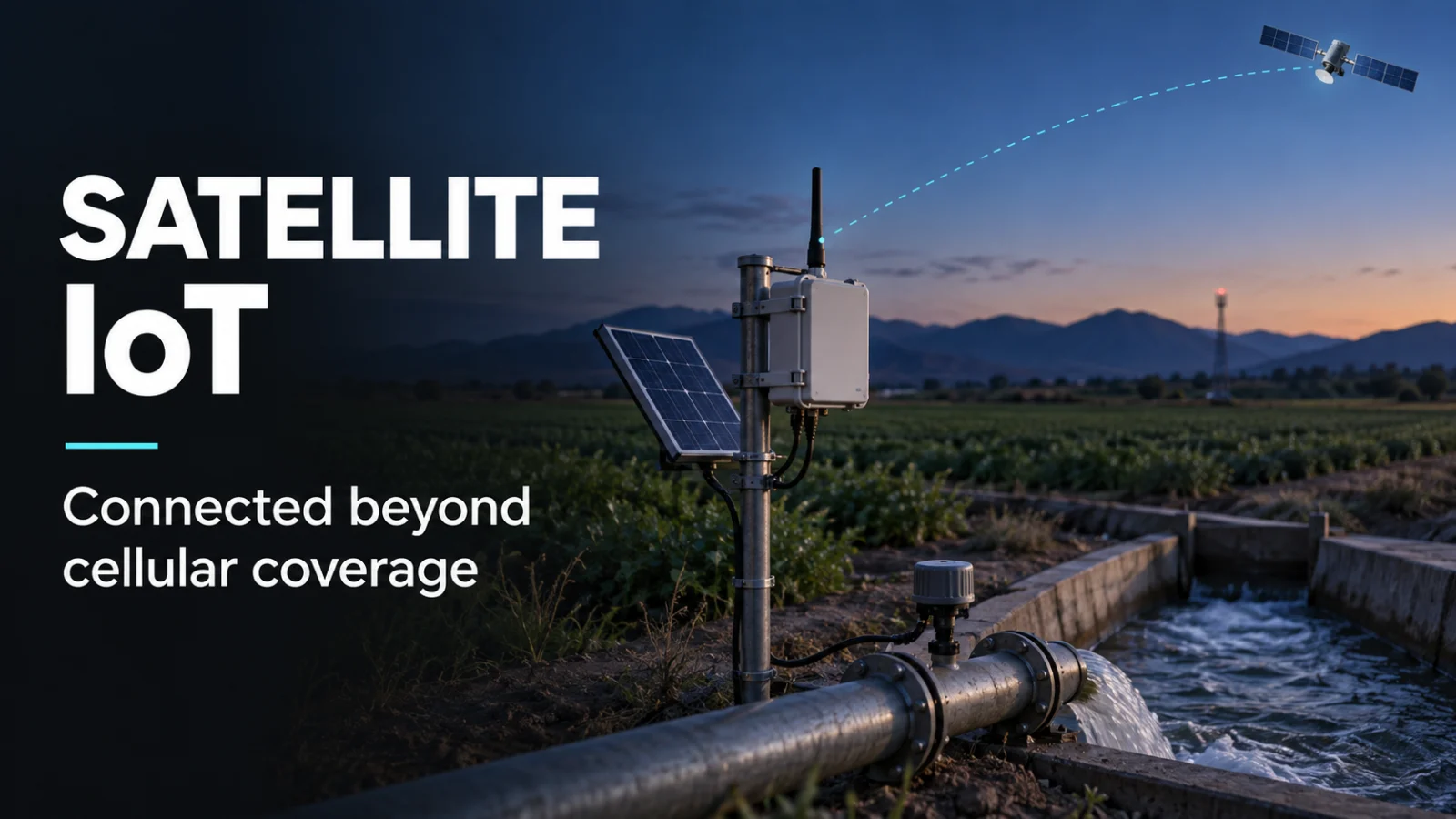
When cellular coverage disappears, readings and alerts can remain on the device. Satellite IoT opens up remote monitoring for agriculture, infrastructure and logistics, with firmware, power consumption and service coverage as key design decisions.
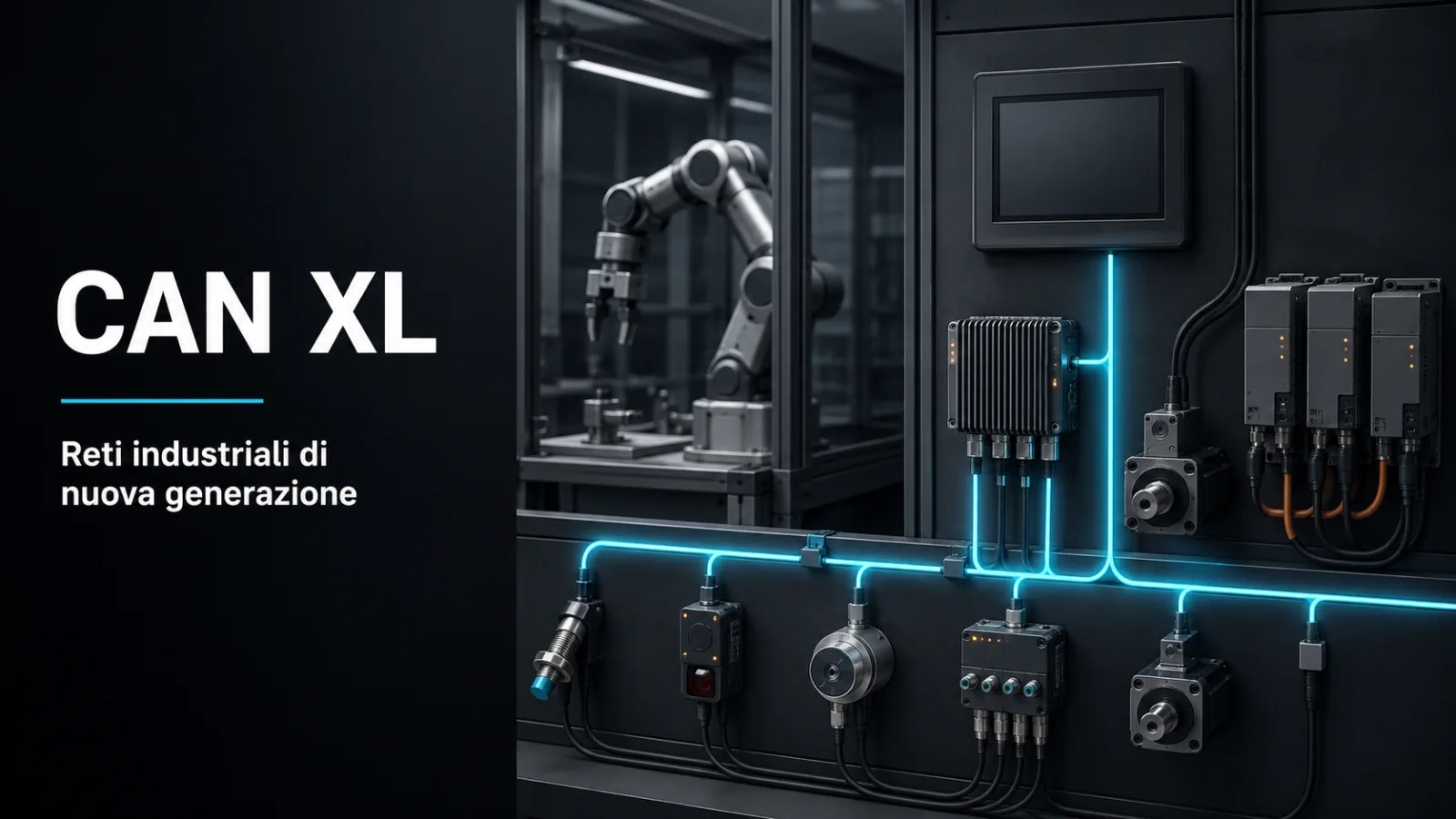
TI has introduced the first commercially available CAN XL transceiver. With frames up to 2,048 bytes and data rates up to 20 Mbit/s, CAN XL opens new options for robots, HMIs and industrial machines. Here is when to assess it against CAN FD and Ethernet.
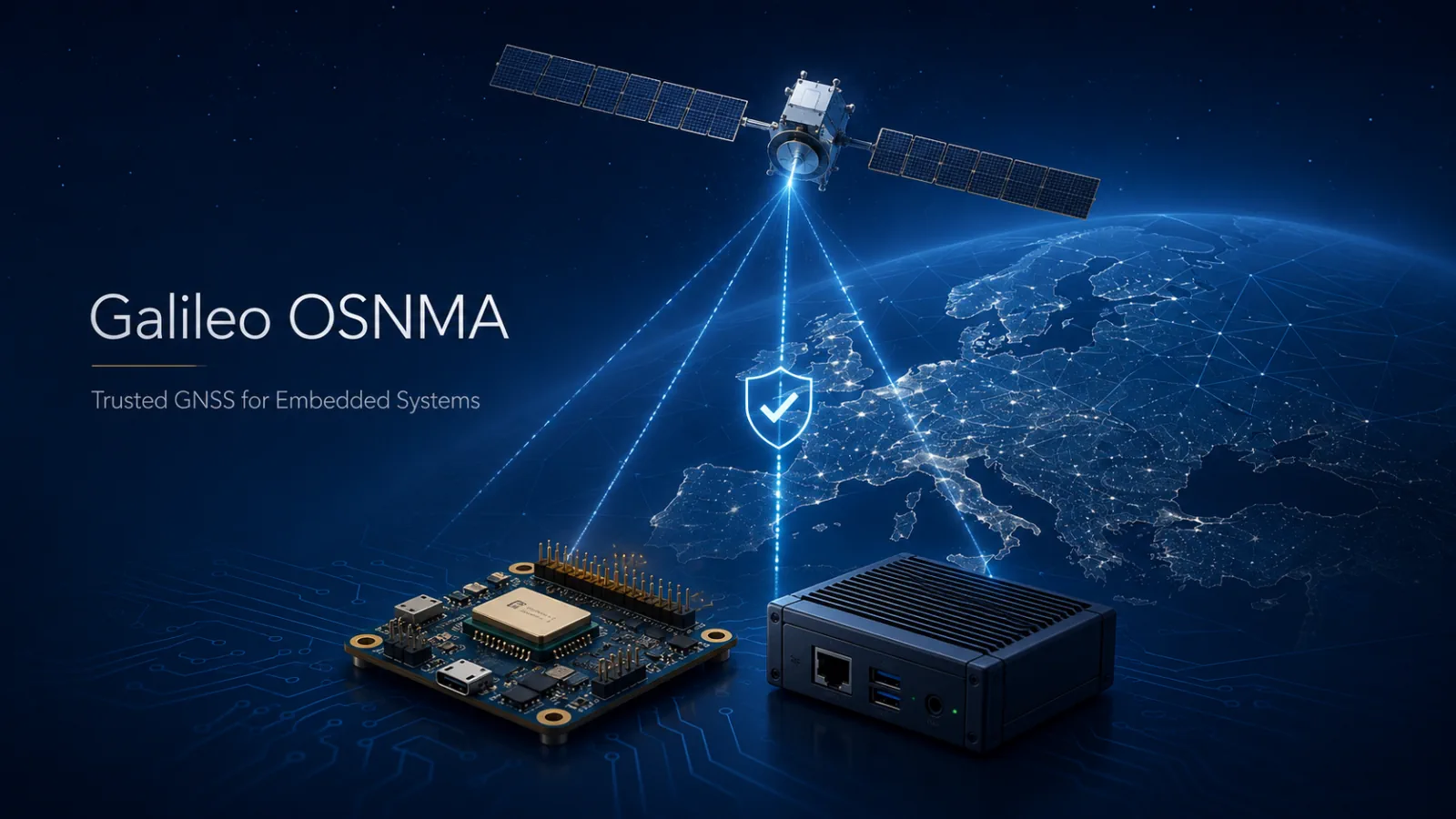
Galileo is more than Europe's alternative to GPS. OSNMA authenticates navigation data, HAS brings decimetre-level positioning, and dev boards, Linux and SDR help validate resilient embedded PNT systems.
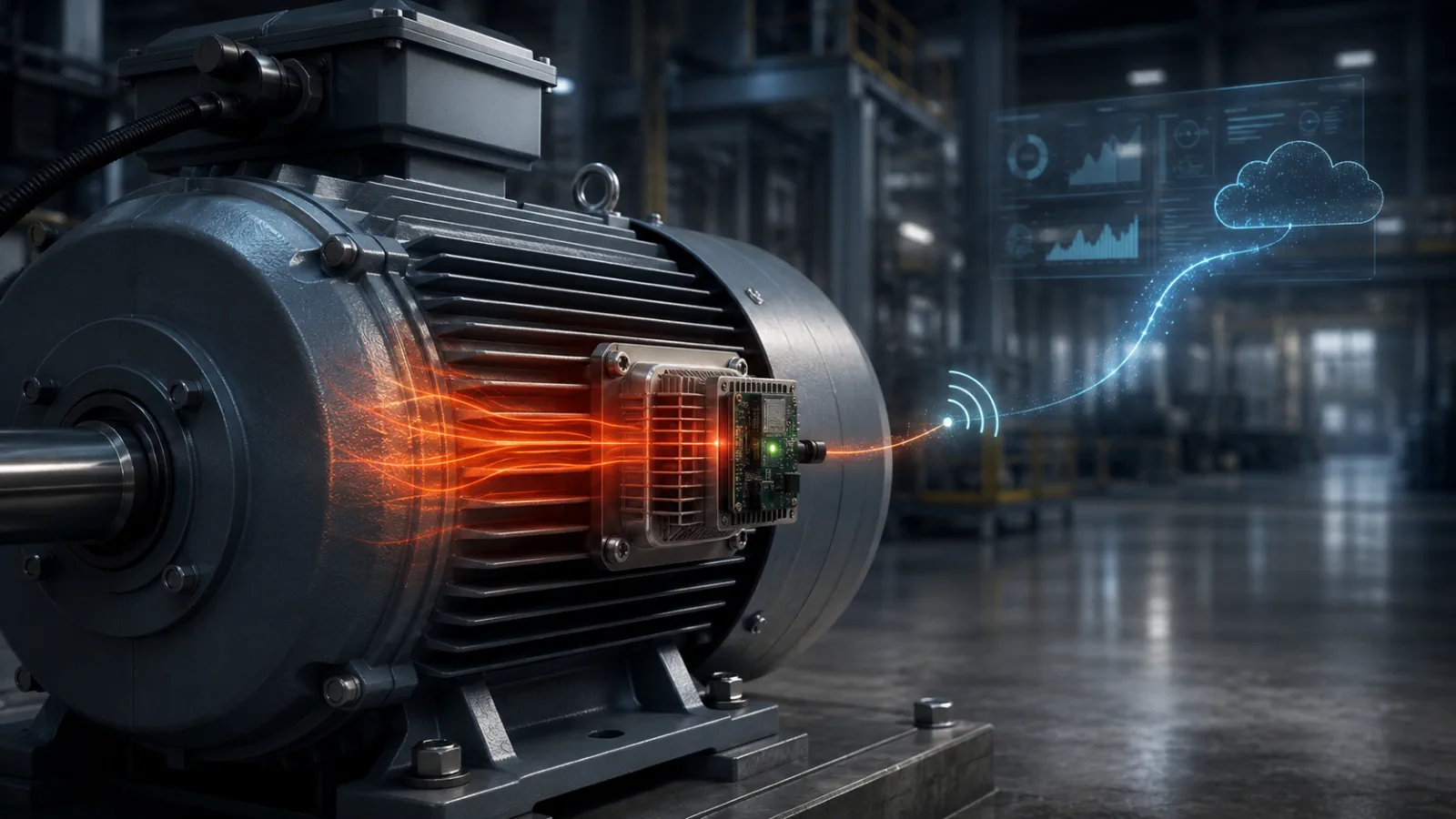
A 0.25 kW gearmotor, about 5 °C across a TEG and one thermoelectric generator powered a LoRa node without an electrochemical battery. Measured results, sizing equations, limits and a practical proof-of-concept method.
Bluetooth Channel Sounding brings more reliable distance measurement than RSSI to Bluetooth LE, enabling secure access, asset tracking, IoT devices, wearables and industrial embedded systems.
5G RedCap brings 5G to IoT devices that do not need full eMBB modems: gateways, industrial sensors, cameras, wearables and asset trackers. Here is how to evaluate it for embedded, firmware and connected products.