

Firmware & MCUs
Drivers, peripherals, board bring-up and bare-metal MCU architectures.
01 / TECHNICAL AREA
Embedded firmware and systems development for your product’s platforms. I can take on new development or join your team on existing code and hardware, adapting to your architectures, toolchains and business procedures: from first boot to diagnostics, communication and verification.
Platforms and tools follow your context. Some examples:
Skills & technologies
Firmware · systems · interfaces
STM32 · ESP32 · PIC · AVRDifferent platforms and families
C / C++ · bare metalFreeRTOS · Zephyr · ThreadX
Yocto · Buildroot · OpenWrtSystem services & integration
VHDL · VerilogSystemVerilog
LVGL · Qt / QMLInterfaces and touch
MQTT · CAN · ModbusDevices and gateways
Secure boot · updatesSigning and rollback
JTAG · SWD · diagnosticsTesting and validation
The technologies shown are examples.
Engineering support within your team, with shared tools and working methods.
I can join your team on existing hardware and firmware or take on new development. I adapt to the client’s platforms, architectures, toolchains, repositories and verification procedures. Technologies mentioned on these pages are application examples: your product and the work required define the starting point.
Production firmware needs to handle timing, memory, peripherals and fault conditions on the actual device. Development covers bare-metal and real-time architectures, drivers, communications and state management. Work starts with the client’s platform: a new board, a prototype or an existing product needing stabilisation and maintenance. Architecture and toolchain are evaluated for that specific context.
For gateways and more complex devices, embedded Linux brings services, networking and applications onto a controlled platform. Yocto, Buildroot and OpenWrt are evaluated against hardware, lifecycle and team requirements. For connected products, the scope includes protocols, buffering, diagnostics and behavior when connectivity is unavailable.
LVGL or Qt HMIs, FPGA logic and MQTT or Modbus connections can form part of the same product. Firmware, interfaces and backends are verified as a system: a screen should reflect the correct state, an update should have an observable outcome and a fault should leave useful diagnostic information.
A focused engagement can address existing firmware: intermittent resets, timing problems, memory pressure, porting or OTA updates. Before changing code, we identify the version, reproduction conditions and verification criteria. Secure boot, signed images and rollback are included when required by the architecture.
Deliverables are defined for the project: source code and build configuration, interface documentation, tests and agreed verification results. The service pages below cover specific platforms and engineering scopes; related projects and articles show applications, experiments and architectural decisions.
ILLUSTRATIVE ARCHITECTURE
An orientation diagram: components, boundaries and verification are defined for each project.
ENGINEERING SCOPE
Drivers, peripherals, board bring-up and bare-metal MCU architectures.
Tasks, synchronization, memory and timing with FreeRTOS, Zephyr and ThreadX.
Yocto, Buildroot and OpenWrt: platforms, services and product integration.
VHDL, Verilog and SystemVerilog. Logic, testbenches and hardware/software integration.
Device and machine interfaces with LVGL, Qt and QML.
Gateways, MQTT, Modbus, telemetry and industrial protocols.
Secure boot, signed updates, rollback and technical risk assessment.
Diagnostics, repeatable tests, firmware audits and production test tools.
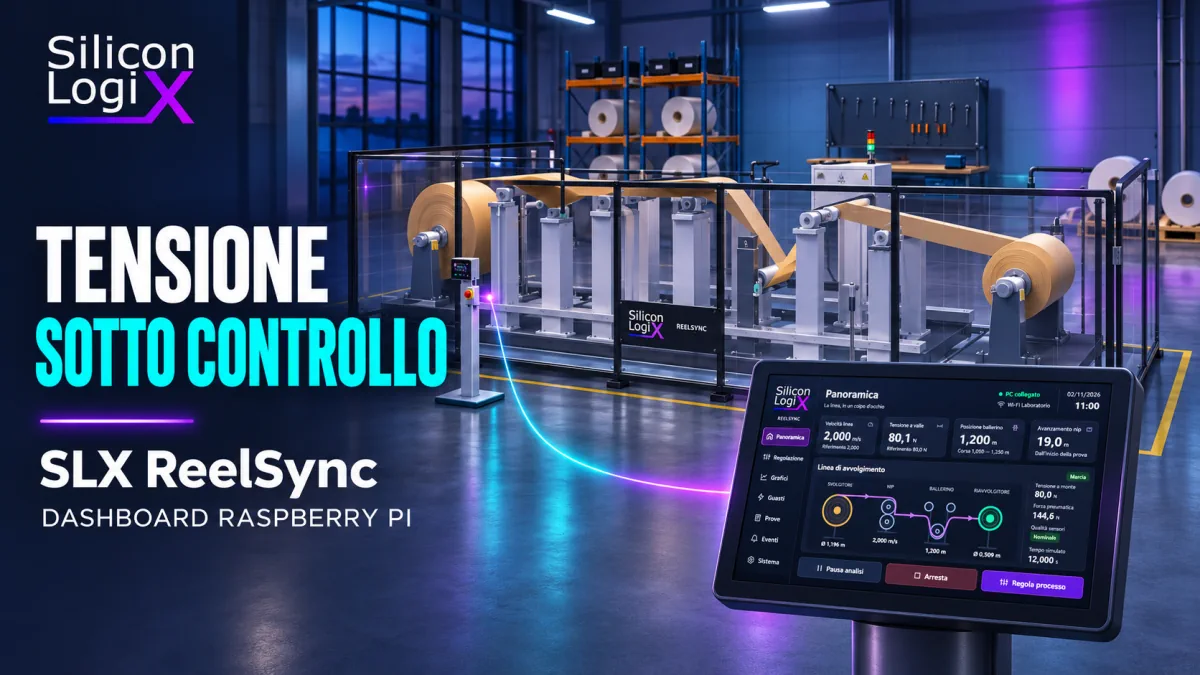
SLX ReelSync connects a Raspberry Pi LVGL dashboard to a virtual winding line: embedded Linux, TLS over Wi-Fi, contextual alarms and repeatable fault tests.
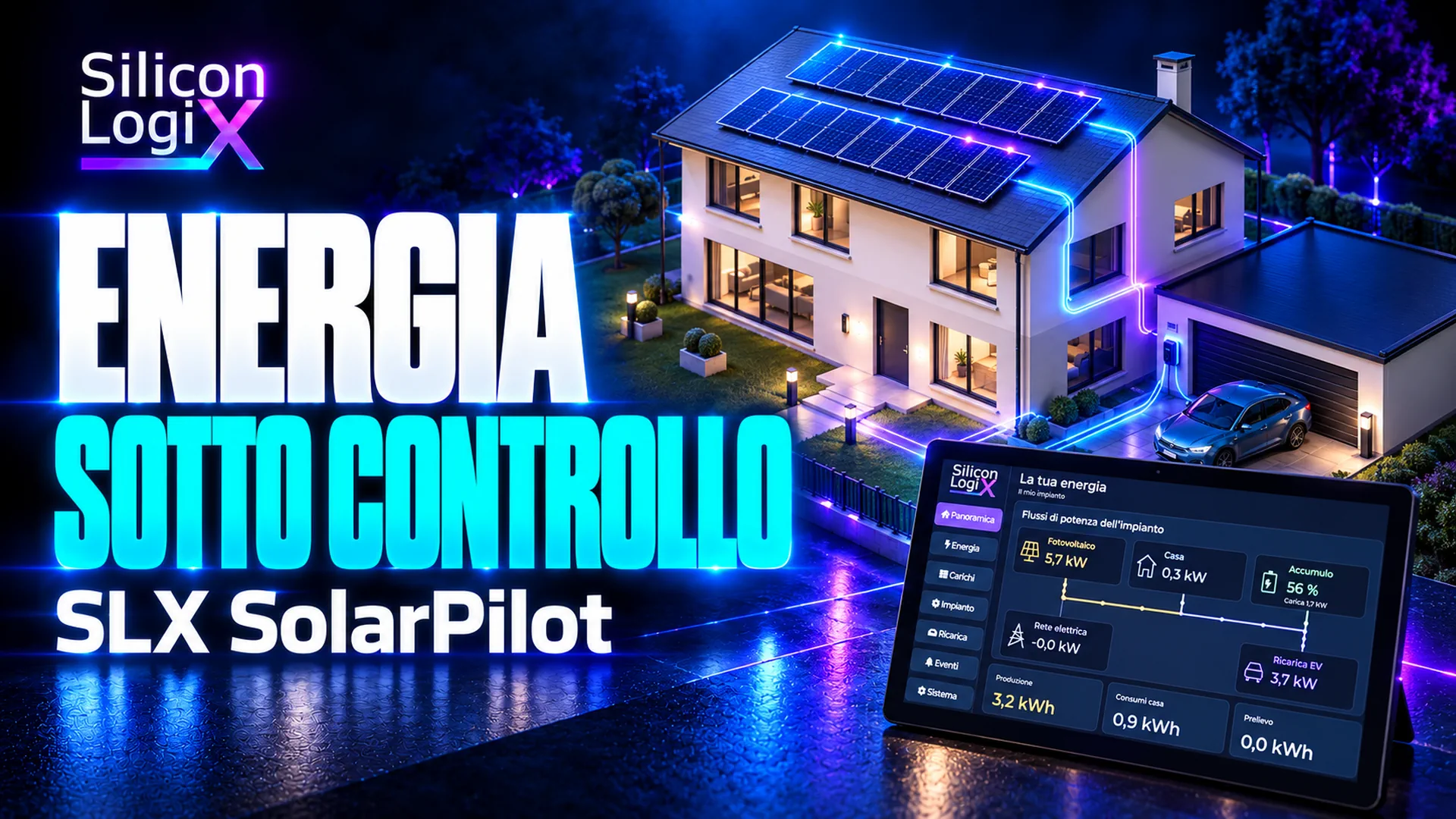
SLX SolarPilot connects a Linux/LVGL touch controller to a residential plant simulated in 3D: photovoltaics, storage, appliances and EV charging with EEBUS and SunSpec Modbus TCP.
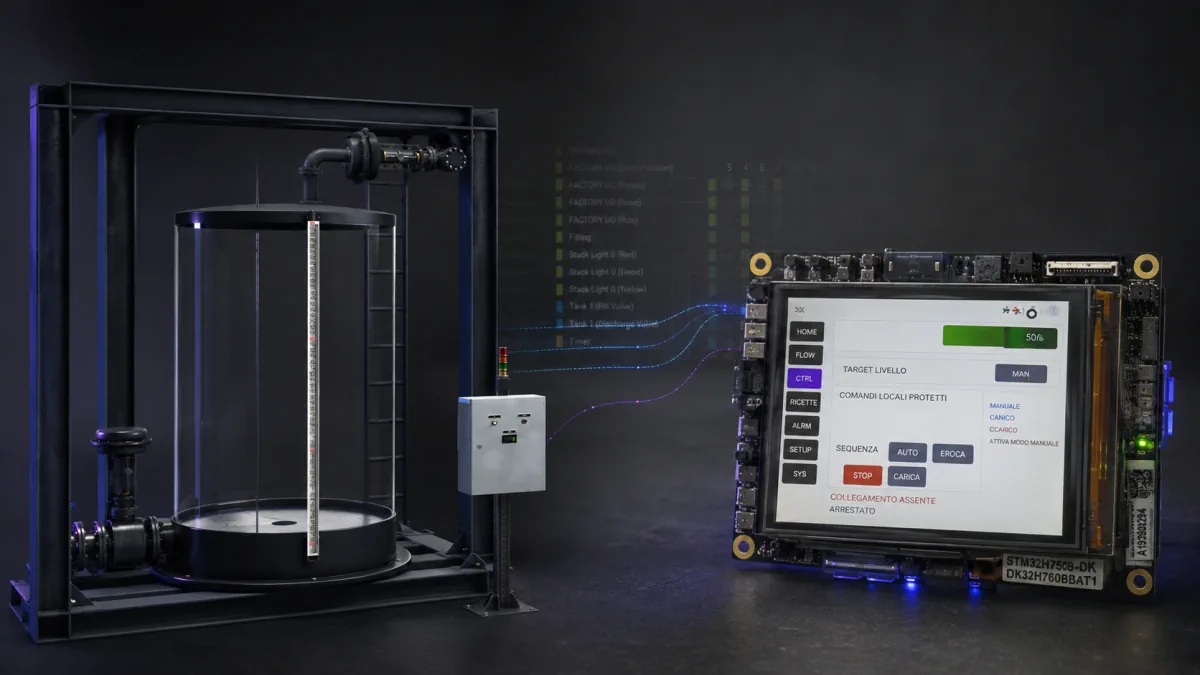
SLX FlowControl shows industrial HMI development on an STM32H750B-DK: FreeRTOS real-time control, Modbus TCP/IP and a Factory I/O digital twin for checking sequences, alarms and diagnostics before machine integration.
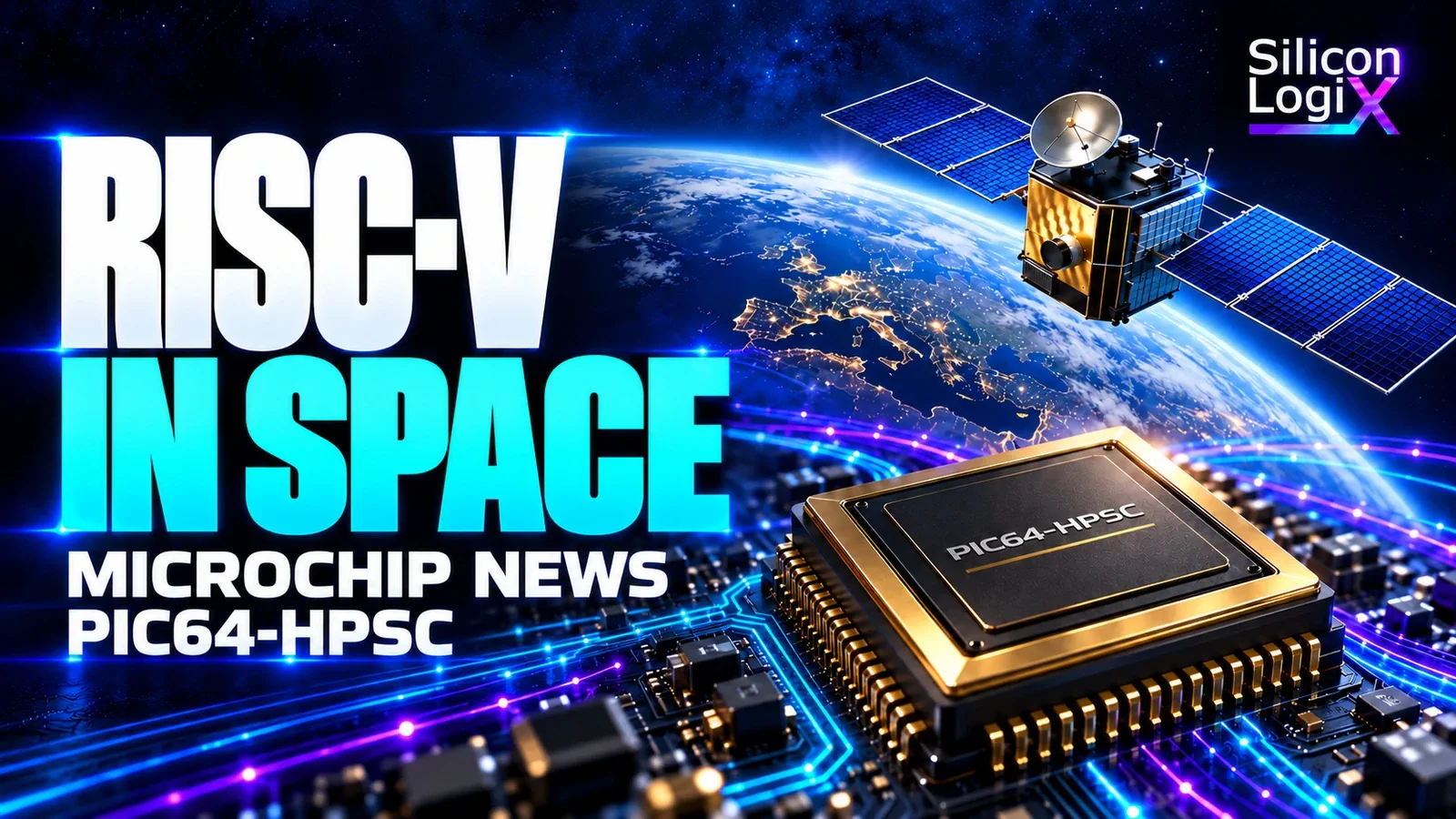
Microchip reports early PIC64-HPSC radiation results: TID to 200 krad(Si) and SEL testing to 78.2 MeV·cm²/mg. A technical analysis of RISC-V, radiation effects, ECC and mission software.
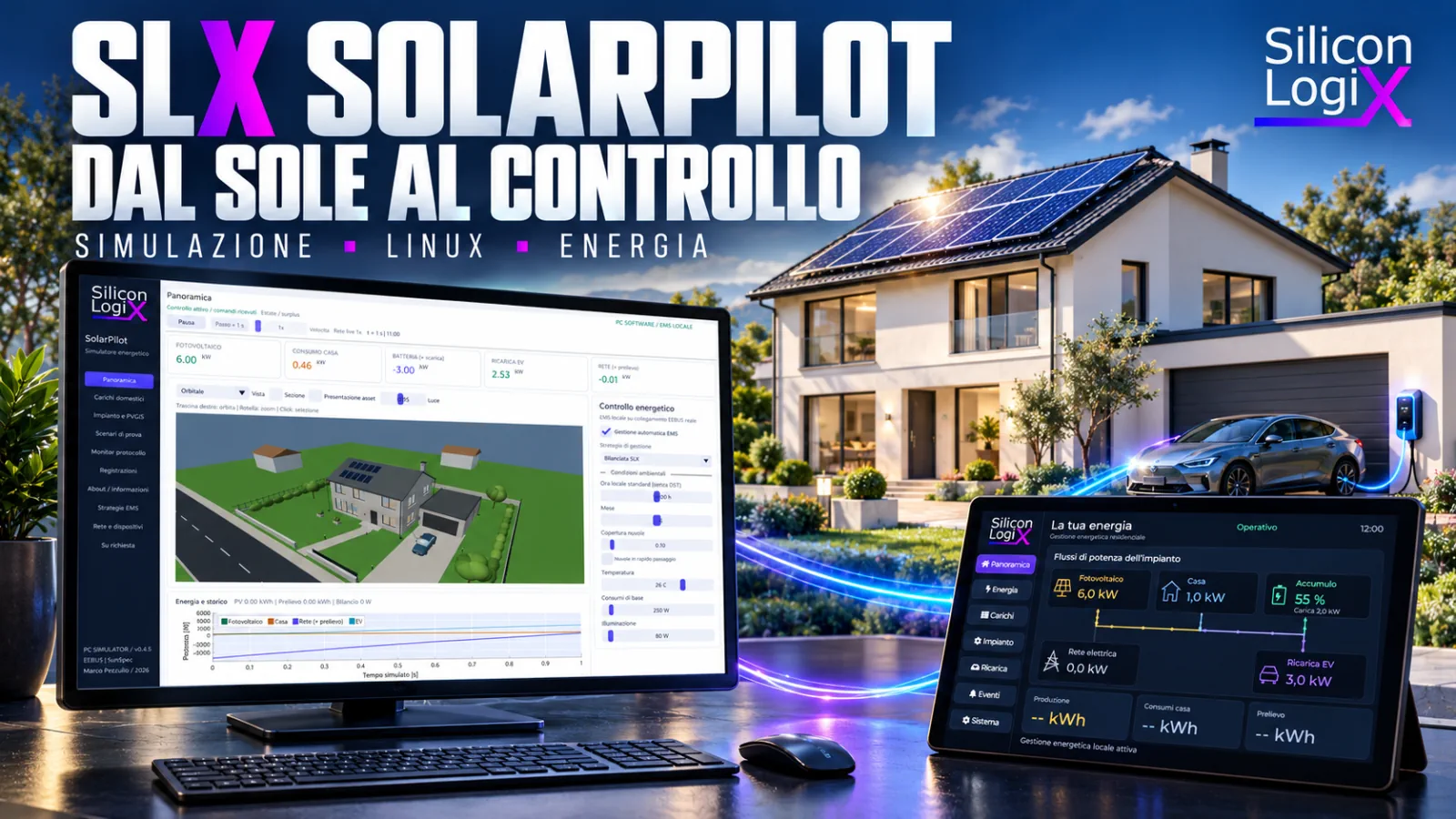
From kWp and AC power balances to battery reserve and EV charging: a technical exploration of photovoltaics, energy calculations, EEBUS, SunSpec and the SolarPilot Linux/LVGL controller.
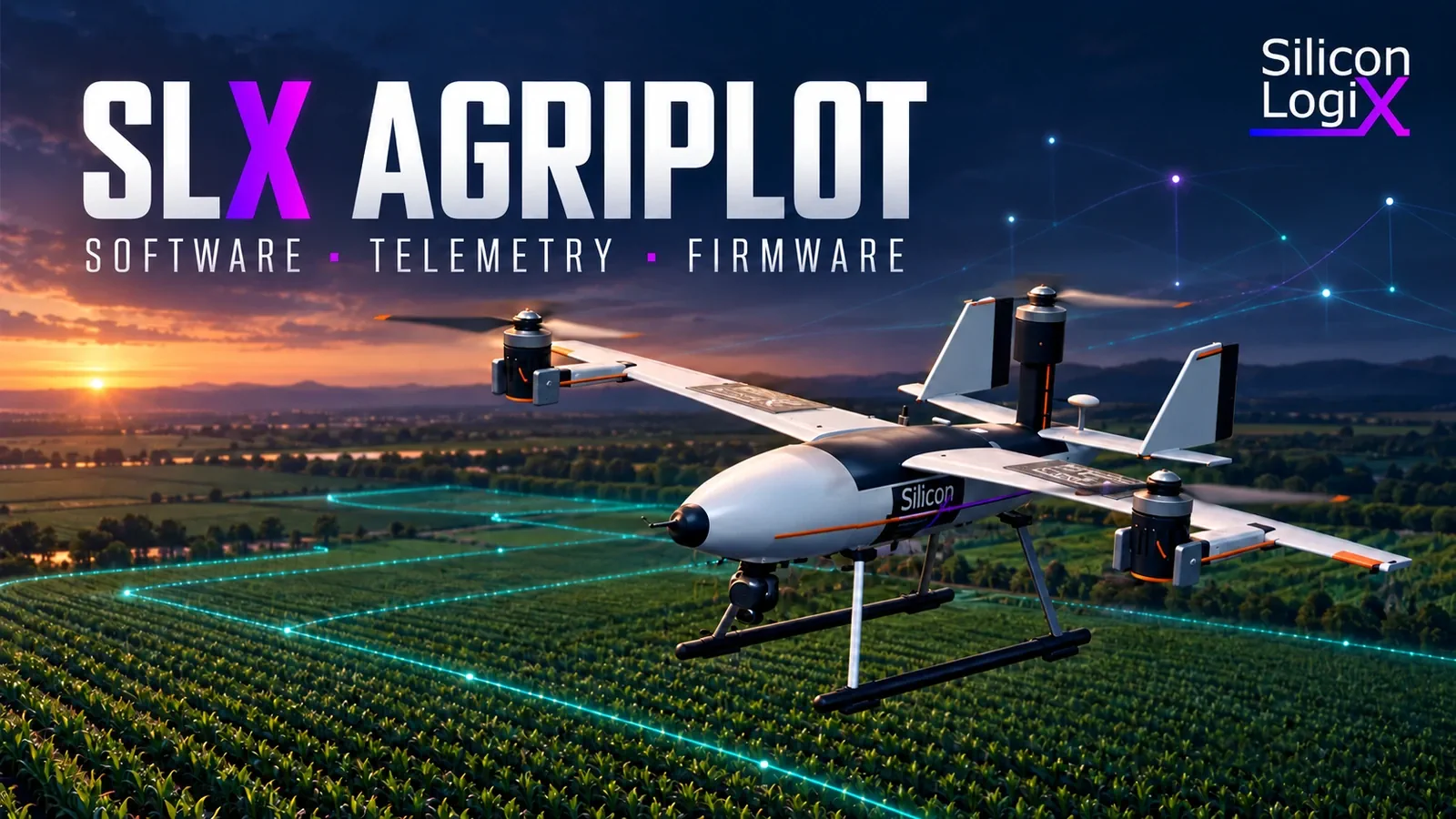
Agricultural drone software and firmware: C++20 architecture, PX4 autopilot, MAVLink communication and sensor data. SLX AgriPilot illustrates the engineering capabilities needed by UAV manufacturers, integrators and survey platform developers.
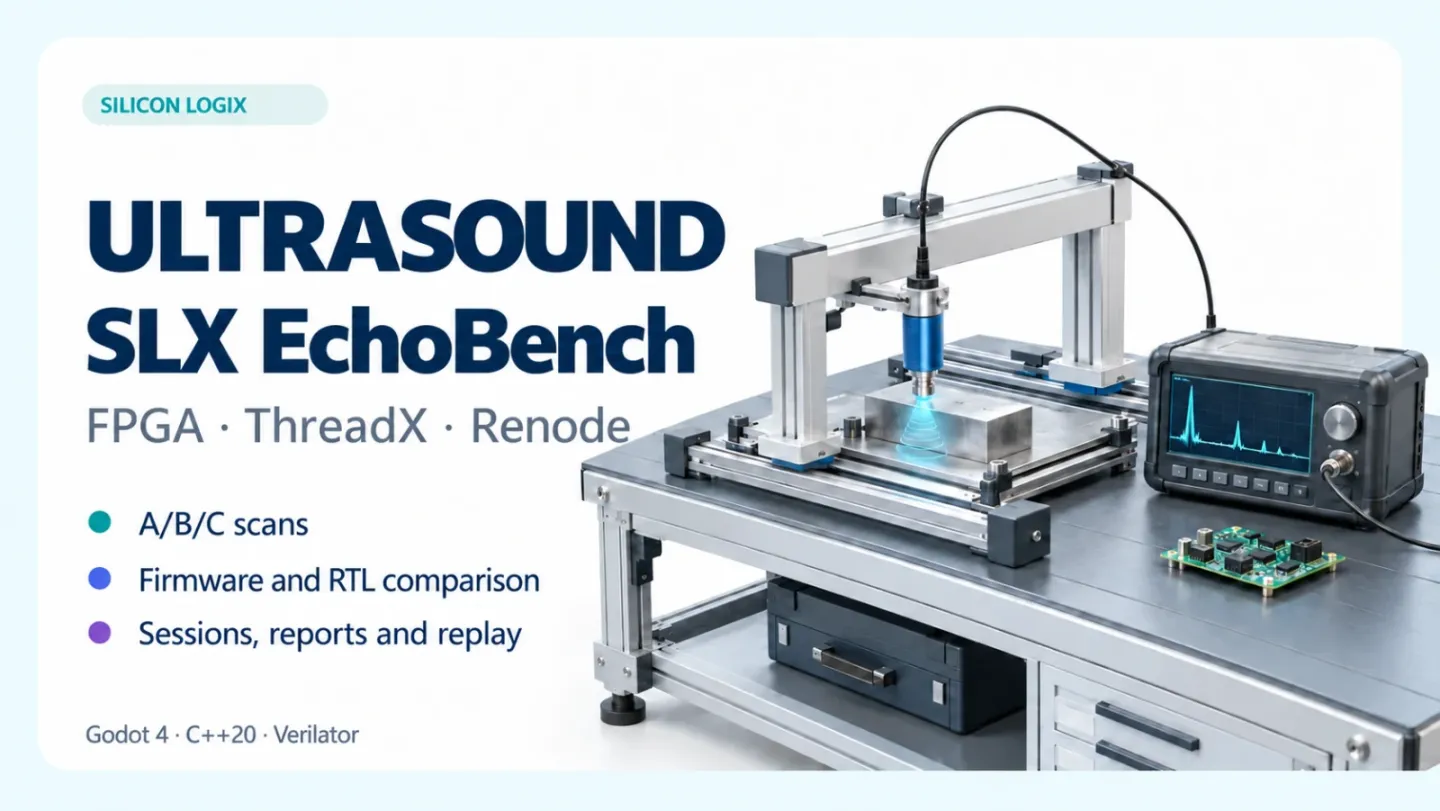
SLX EchoBench connects synthetic ultrasound, ThreadX firmware and RTL verification through Renode, Verilator, Godot and C++20. Explore the 3D bench, reproduce FIFO overflow and compare firmware on the same saved input. Windows preview on GitHub.
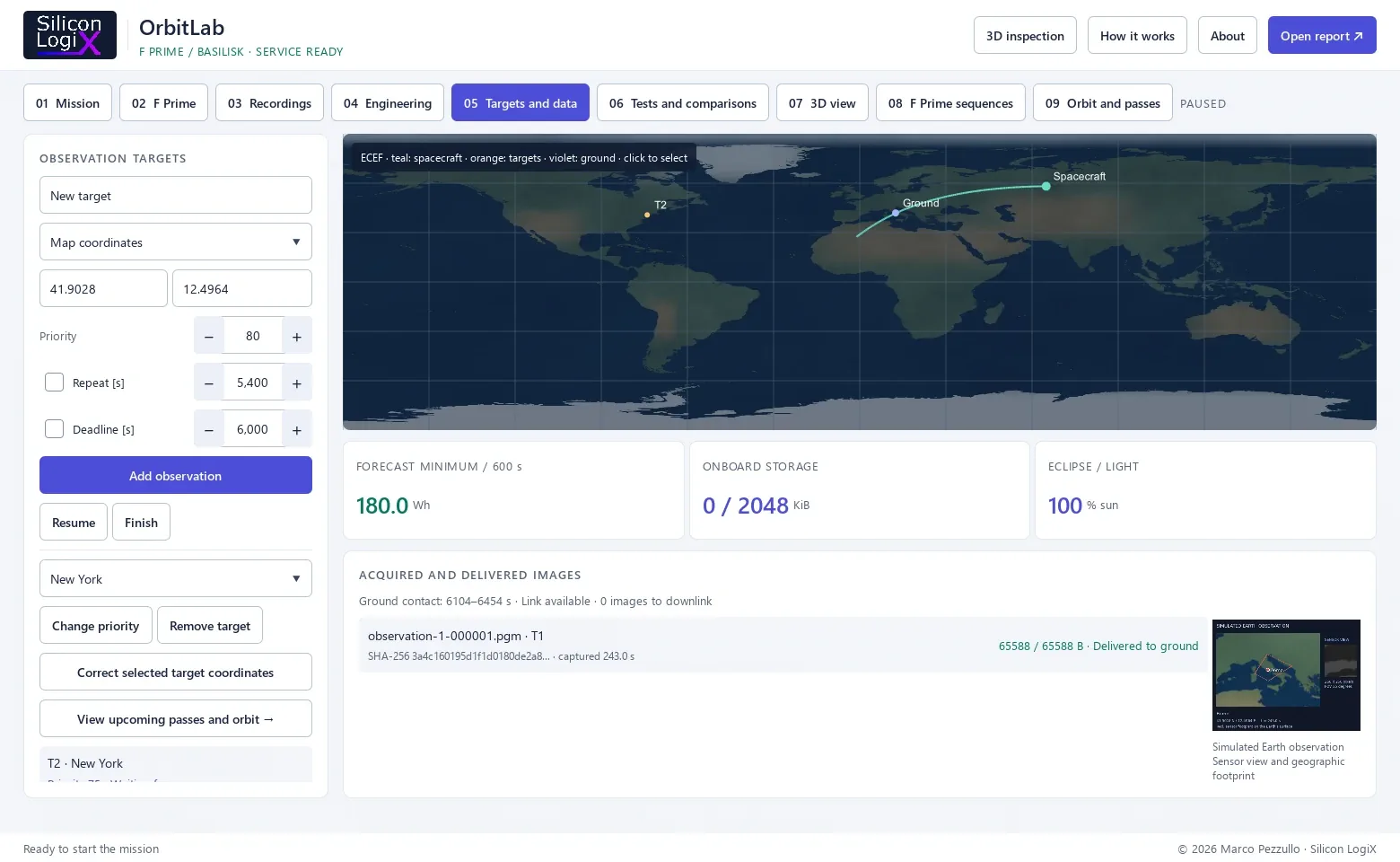
SLX OrbitLab integrates F Prime, Basilisk, a proprietary C++ core and a Qt console for satellite mission planning, energy and data management, and embedded firmware development with RTEMS and Renode.
Test ESP32 firmware before hardware arrives: how Zephyr and Espressif QEMU fit together, where to start, and what still needs a physical board.
THE NEXT STEP