

Machine learning & inference
Data, models and metrics defined around a concrete problem.
04 / TECHNICAL AREA
Artificial intelligence for data, images, audio and signals, from software to devices. I can support your team on datasets, models and integration, adapting to existing libraries, pipelines and infrastructure. Objectives and verification follow the problem and real operating conditions.
Platforms and tools follow your context. Some examples:
Skills & technologies
Custom AI · models · inference
Goals · data · workflowsSolutions for specific use cases
Classification · regressionModels and real-use-case metrics
Images · detection · inspectionAcquisition and visual analysis
Classification · analysisAudio, sensors and time series
MCUs · SoCs · acceleratorsOn-device inference
Data · training · validationModel comparison and verification
The technologies shown are examples.
Engineering support within your team, with shared tools and working methods.
I can join your team’s work on data, models and software or take on a jointly defined experiment. I adapt to existing libraries, computing environments, repositories, pipelines and evaluation criteria. The solution follows the client’s problem and infrastructure, from backends to devices.
A machine learning project starts by defining the task: what to recognize, which errors matter and which data will verify the result. Before selecting a model, we assess example availability and representativeness, operating conditions and acquisition methods. Metrics need to address the use case and remain separate from training data.
Industrial computer vision includes images, lighting, viewpoint and inspection software interfaces. Classification and anomaly detection need to be assessed alongside acquisition robustness. Silicon LogiX demonstrators also explore synthetic images and model-version comparisons, with traceable experiments and results.
For audio and signals, acquisition and data preparation form part of the solution. A classifier running on a device needs inputs consistent with those evaluated during development. Integration connects the model, signal processing and application logic while keeping outcomes and fault conditions observable.
Running inference on microcontrollers or edge platforms requires comparing accuracy, memory, power and execution time. TinyML, available runtimes and target accelerators are evaluated in the product context. The choice between local processing, a backend or a hybrid architecture also depends on connectivity, updates and data handling.
The result is more than a model file: scope can include data preparation, inference software, target testing and documentation of operating conditions. Projects and articles in this area explore audio ML, computer vision, NPUs and on-device inference through documented cases and engineering decisions.
ILLUSTRATIVE ARCHITECTURE
An orientation diagram: components, boundaries and verification are defined for each project.
ENGINEERING SCOPE
Data, models and metrics defined around a concrete problem.
Inspection, classification and anomaly detection in images.
Signal analysis and classification, including MCU inference.
On-device inference under memory, power and latency constraints.
Synthetic data, separate tests, model comparison and experiment traceability.
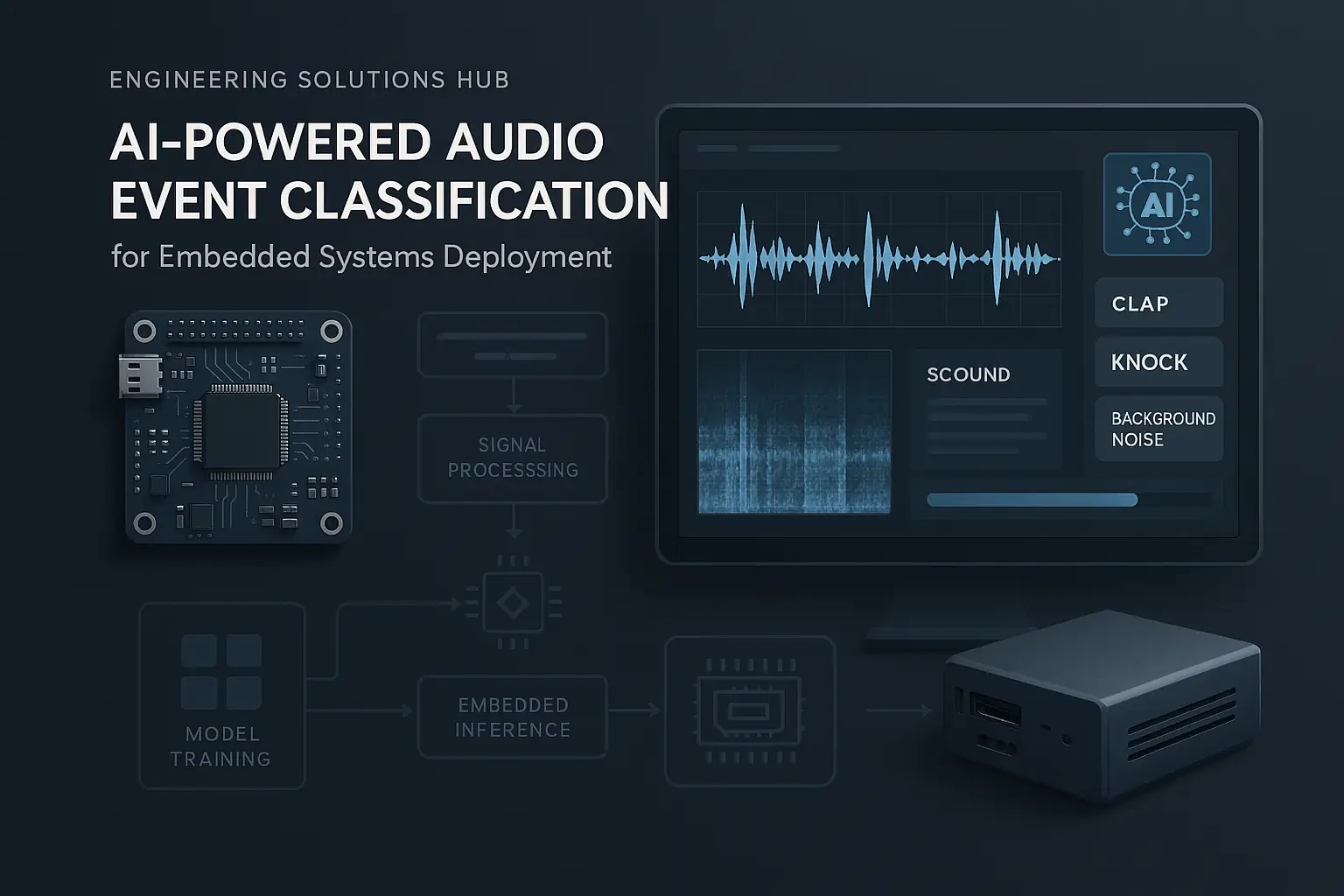
A TinyML audio-classification workflow that trains in Python, exports to C and runs directly inside bare-metal firmware.
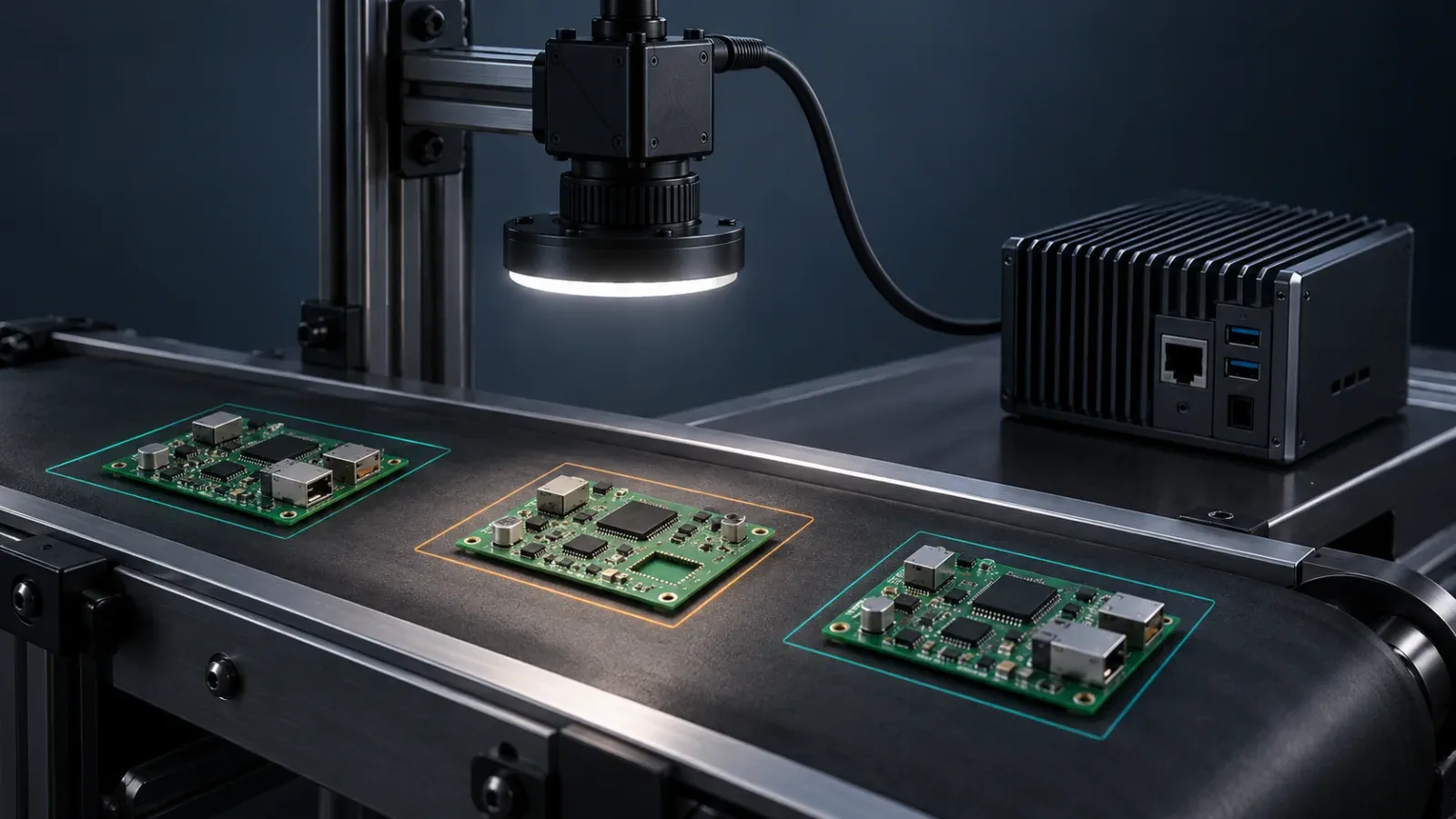
A reversed connector, a missing accessory, a defect to catch: evaluate Raspberry Pi 5 and Sixfab AI HAT+ for visual quality inspection with local AI.
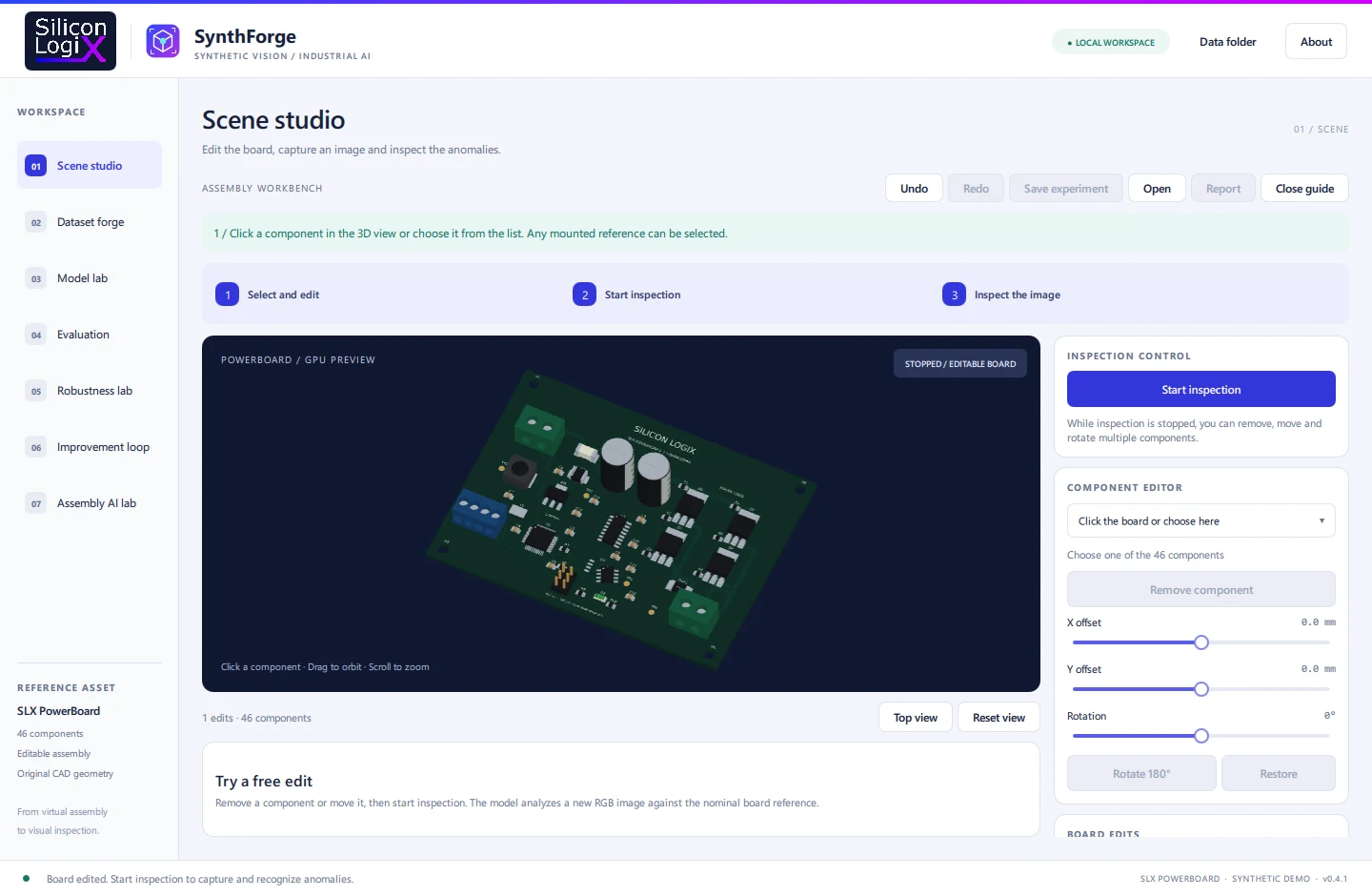
SLX SynthForge brings industrial vision to GitHub: 3D boards, synthetic data and softmax classifiers, with a C++ engine, Qt interface and Python/NumPy training.
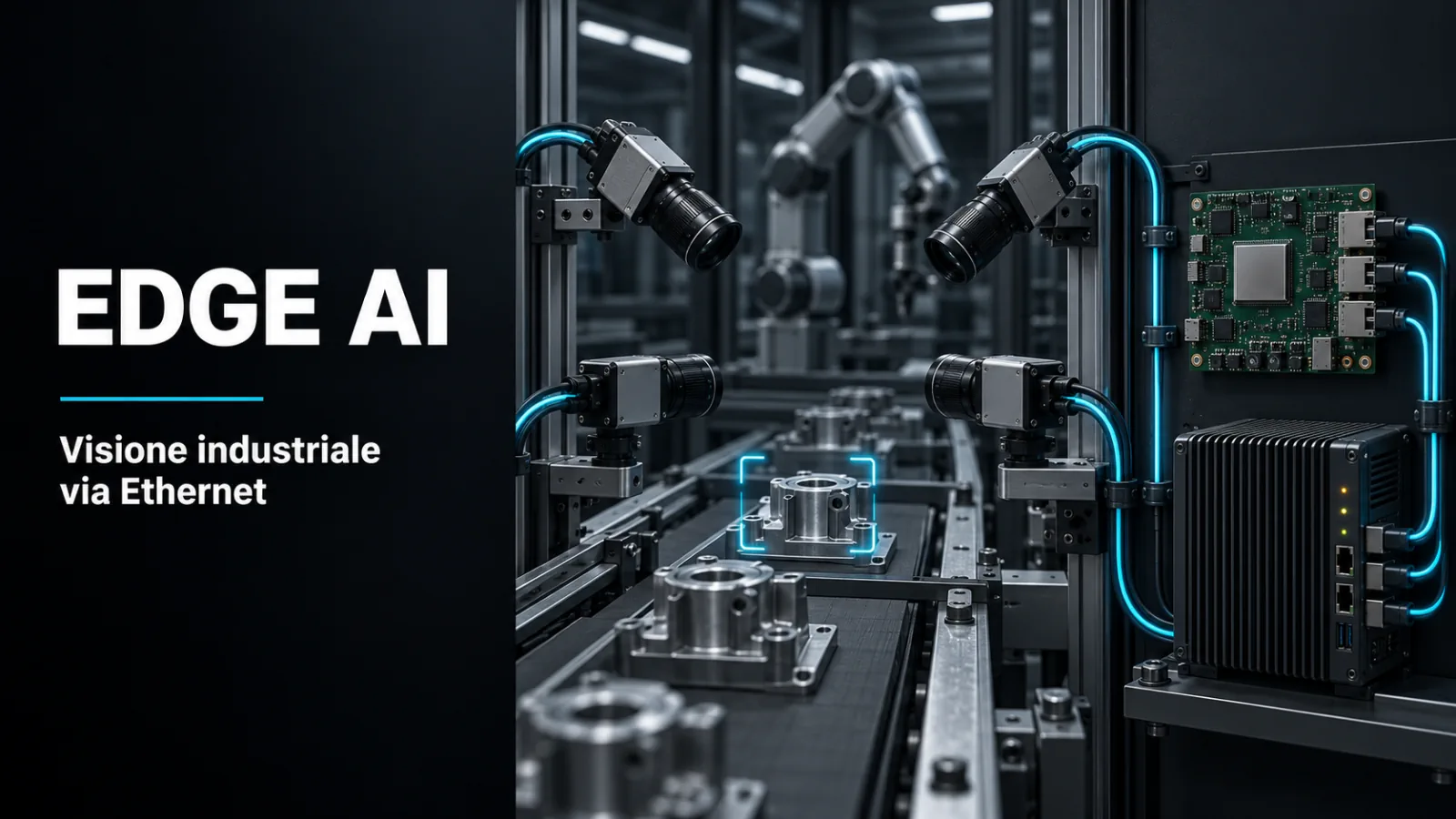
Microchip’s PolarFire Ethernet Sensor Bridge Rev 2.0 supports up to four MIPI CSI-2 cameras over dual 10GbE. Learn how to assess bandwidth, latency, synchronisation and NVIDIA integration for industrial inspection.
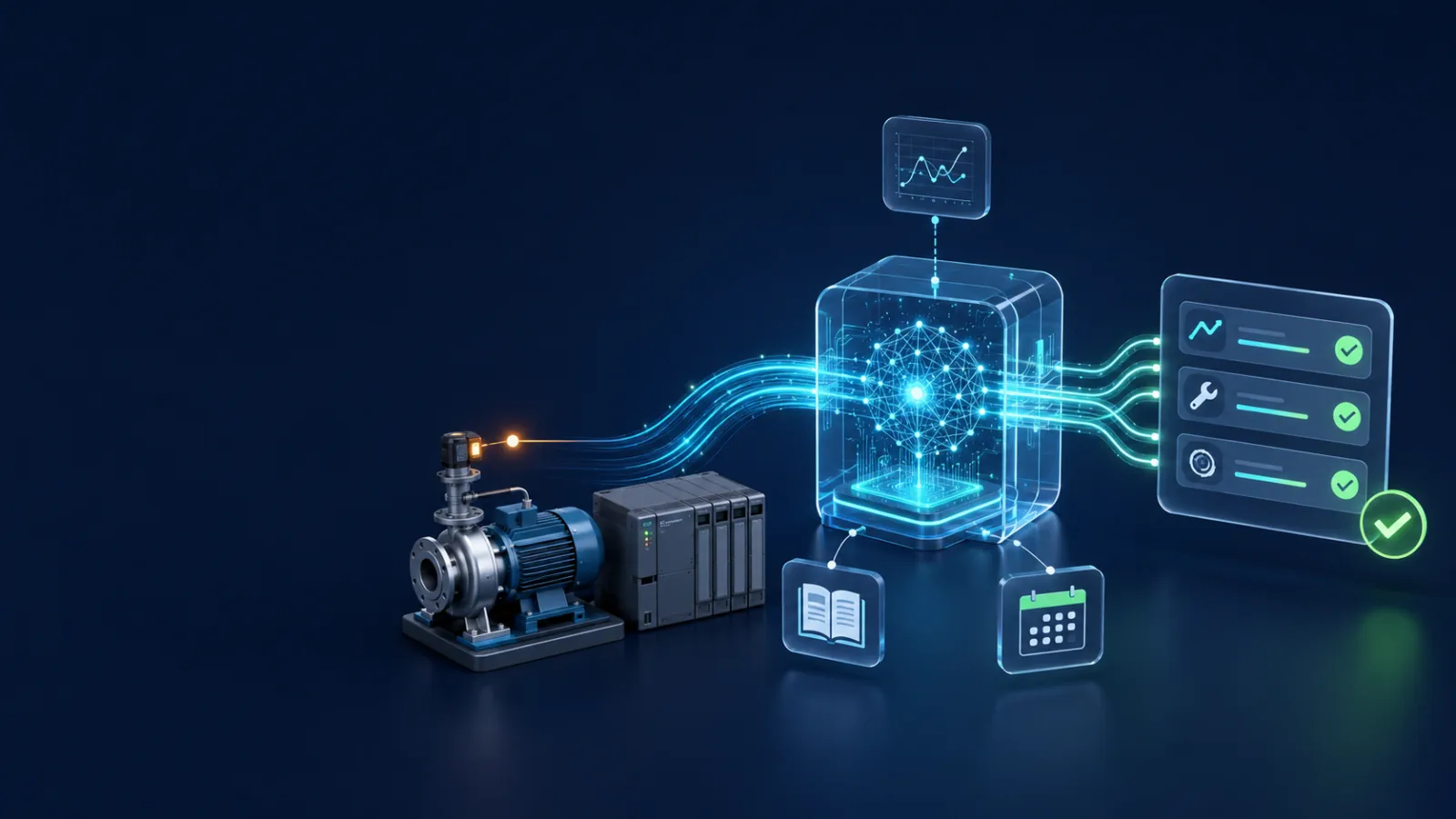
How to connect SCADA alarms, PLC data, sensors, maintenance history, and technical documents with AI to support verifiable industrial diagnosis.
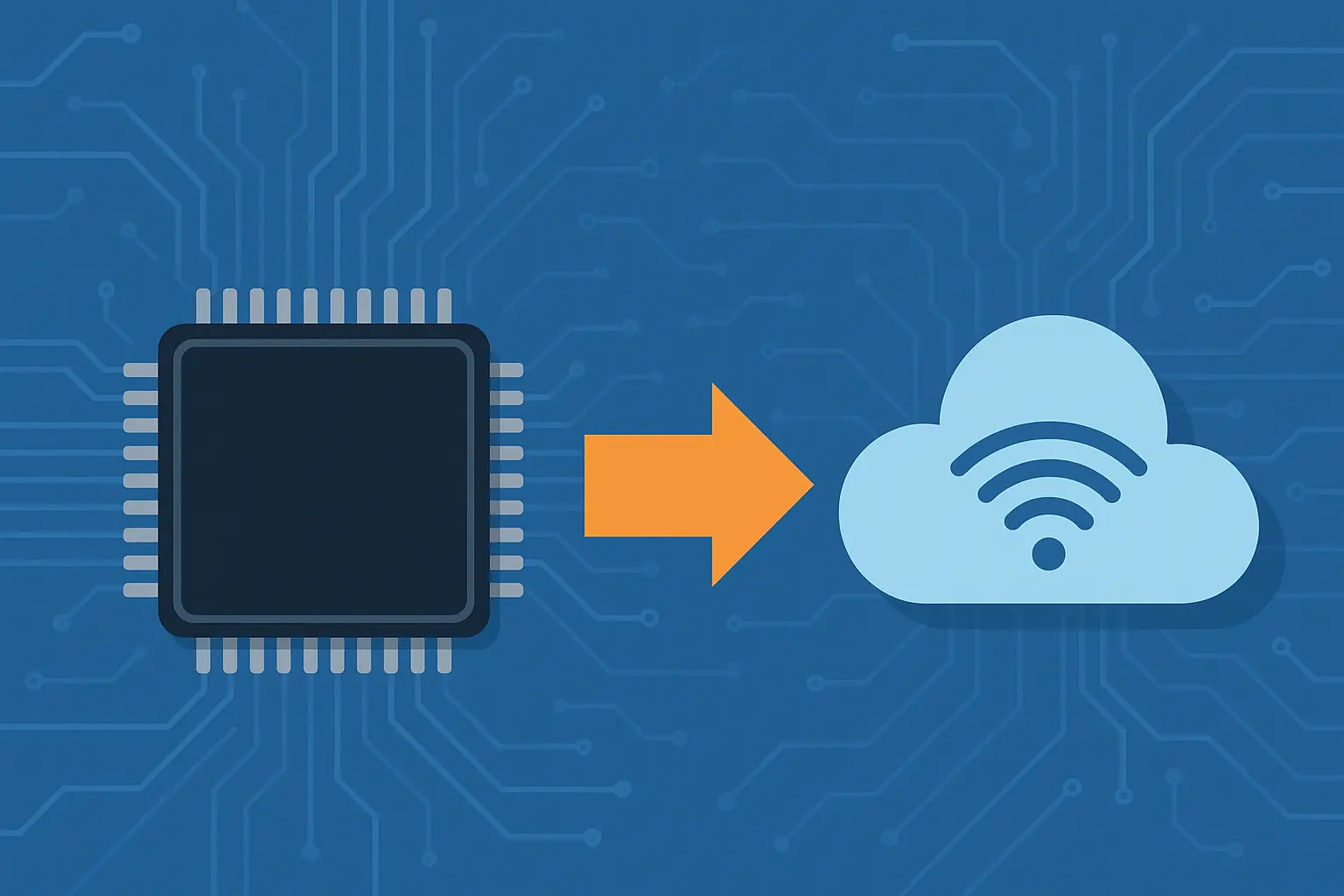
Why newer MCUs, rising cloud costs and real-time requirements are pushing more IoT intelligence onto the device.

What changes when a TinyML demo becomes a product: data quality, quantization, memory, latency, OTA, monitoring and lifecycle.
THE NEXT STEP